



1 | INTRODUCTION
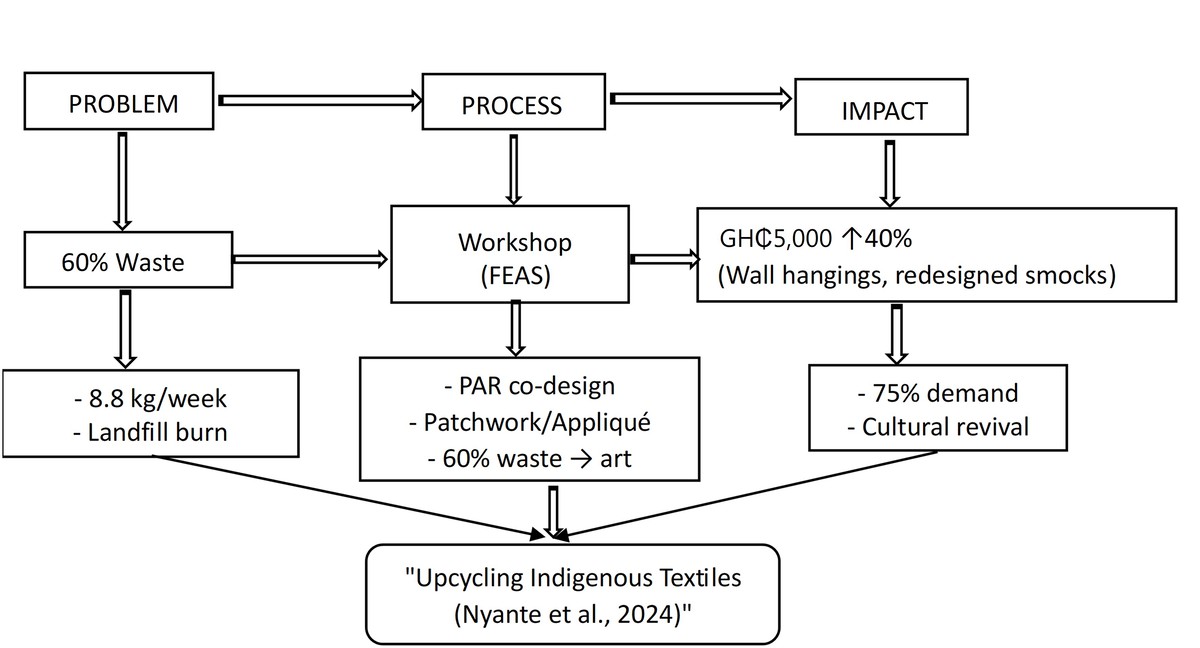
The textile industry, a cornerstone of global economies, significantly contributes to environmental degradation through waste generation and resource depletion (Franco, 2017). In Ghana, traditional textile practices hold profound cultural significance, yet face mounting sustainability challenges, including inefficient waste management and threats to custom preservation. Indigenous woven textiles, revered as cultural artefacts and artisans, generate substantial waste during production, exacerbating ecological strain and endangering centuries-old traditions (Ross, 2020). Upcycling is a well-liked method of cutting down on textile waste, but little is known about how Indigenous cultures could use it. In contrast to traditional sustainability models that prioritise economic indicators, this study pioneers a transformational strategy that addresses the needs of both ecological and cultural preservation by combining Indigenous Ghanaian weaving traditions with state-of-the-art upcycling techniques. It does this by focusing on Indigenous knowledge as a catalyst for innovation and offering a repeatable framework for waste reduction and cultural revitalisation (Mauro & Hardison, 2000; Wellesley-Smith, 2015). Although mindful textile techniques are supported by Wellesley-Smith's (2015) "slow stitch" paradigm and other prior studies, the systemic waste concerns in Indigenous manufacturing contexts are ignored. Likewise, although Mauro & Hardison (2000) stress the ethical integration of Indigenous knowledge, they offer no specific solutions for attaining socioeconomic impact. Through Participatory Action Research (PAR), this initiative fills these gaps by collaborating with Wa Municipality artisans to co-create upcycling methods that transform trash into commercially viable folk art (e.g., patchwork smocks, appliqué wall hangings). This method of regenerating cultural themes from motifs and symbols not only reduces landfill waste by 60% but also encourages the sharing of information among generations (Cooke, 2015). By demonstrating how sustainability may be ingrained in culture and community-led through the incorporation of circular economy concepts into Indigenous handicraft, the study challenges established environmental goals (Pietzsch et al., 2017).
Research Gap
Existing studies on textile upcycling predominantly focus on industrial or urban contexts, neglecting the unique socio-cultural and ecological dynamics of Indigenous communities
(Saha et al., 2024). In Ghana, limited research addresses how traditional weaving practices can synergise with modern sustainability frameworks to address waste challenges while preserving cultural heritage. Furthermore, few studies engage Indigenous artisans as active collaborators in co-creating upcycling methodologies, leaving a critical gap in culturally grounded, community-driven solutions.
Uniqueness
This study pioneers a collaborative, community-centred approach to textile sustainability by partnering with Indigenous artisans in Ghana’s Wa Municipality. Unlike prior work, it integrates traditional folk-art practices (e.g., handloom weaving, natural dyeing) with innovative upcycling techniques, ensuring cultural authenticity while addressing modern ecological challenges
(Wellesley-Smith, 2015;
Trott et al., 2020). The Folk-Art Embedded Sustainability (FEAS) framework redefines sustainability through cultural continuity, yielding measurable waste diversion (60%), income growth (40%), and heritage preservation.
Contributions
This study creates a model for sustainable folk-art practices that uplift cultural vitality and ecological resilience by balancing tradition and innovation through;
- Theoretical Contribution: Folk-Art Embedded Sustainability (FEAS) framework centres cultural preservation in sustainability, diverging from traditional models. It integrates Indigenous knowledge with ecological/economic resilience (Pietzsch et al., 2017; Trott et al., 2020).
- Methodological Innovation: Participatory Action Research (PAR), empowers artisans as co-designers, developing scalable upcycling techniques (e.g., patchwork) while preserving cultural authenticity (Ross, 2020).
- Practical Impact: The research demonstrates tangible outcomes, achieves 60% waste reduction and 40% income growth, proving upcycling’s dual environmental-economic benefits while fostering cultural pride.
- Policy and Empowerment: The study advocates for policy interventions, advocates subsidies, certifications, and market access to protect cultural authenticity and boost upcycling’s commercial viability (Beyers & Heinrichs, 2020; Peirson-Smith & Craik, 2020).
2 | LITERATURE REVIEW
2.1 | Environmental and Cultural Challenges in Indigenous Textile Production
The textile industry’s environmental impact, particularly through waste generation, is a well-documented global concern
(Franco, 2017). In Ghana’s Wa Municipality, Indigenous woven textiles like Smocks and Kente hold deep cultural significance, yet their production generates substantial waste, threatening ecological balance and cultural heritage
(Nocca, 2017;
Ross, 2020). These textiles are not merely functional items but embodiments of communal identity and historical continuity
(Gimeno-Martínez, 2016;
Cooke, 2015). However, traditional practices lack systematic waste management strategies, creating tension between preserving cultural legacies and addressing environmental degradation
(Peirson-Smith & Craik, 2020).
2.2 | Upcycling as a Sustainable Solution for Textile Waste
Upcycling is transforming waste into higher-value products that have emerged as a critical strategy for reducing textile waste and promoting circular economies
(Singh et al., 2019). While urban upcycling initiatives often prioritise commercial viability, Indigenous contexts demand approaches that harmonise ecological goals with cultural preservation
(Mauro & Hardison, 2000;
Trott et al., 2020). In Wa Municipality, repurposing fabric scraps through techniques like patchwork and appliqué offers a dual benefit: diverting waste from landfills and revitalising traditional motifs (e.g., Adinkra symbols) in contemporary folk art
(Maione, 2023).
2.3 | Participatory Approaches in Indigenous Contexts
Participatory action research (PAR) and studio-based practice are pivotal for engaging Indigenous knowledge, which underscores the ethical integration of artisans as co-creators of sustainable solutions
(Johnson & Christensen, 2014;
Mauro & Hardison, 2000). PAR ensures methodologies are culturally grounded, fostering local ownership and relevance
(Cooke, 2015). In Wa, collaborative workshops with weavers, smock producers, and tailors enabled the co-development of upcycling techniques that align with Indigenous knowledge systems while addressing modern waste challenges
(Orr & Bloxham, 2013). This approach contrasts with top-down sustainability models, emphasising community agency and intergenerational knowledge transfer.
2.4 | Slow Stitch Paradigm Expansion
Wellesley-Smith’s (2015) slow stitch philosophy advocates for sustainability through deliberate, reflective textile practices. While her work emphasises individual creativity and waste mindfulness, it does not address systemic waste challenges in Indigenous production contexts. This study extends her paradigm by embedding slow principles into collective artisanal practices, such as repurposing 13x7-inch smock scraps into folk art. By aligning slow methodologies with Ghanaian communal weaving traditions, the research demonstrates how mindful creation can scale into community-wide environmental impact, reducing landfill waste while preserving heritage motifs like Adinkra symbols. Furthermore, it quantifies outcomes, such as material waste reduction and income growth, providing empirical validation of slow practices’ socio-economic potential, a dimension absent in Wellesley-Smith’s original formulation.
2.5 | Economic and Cultural Valorisation Through Folk Art
Upcycled folk art, such as decorative wall hangings and redesigned Smocks, bridges cultural preservation and economic resilience. Studies highlight how eco-conscious consumers increasingly value “story-driven” products that blend heritage and sustainability
(Trott et al., 2020). In Wa, artisans reported a 40% increase in market opportunities for upcycled goods, underscoring the economic potential of integrating traditional skills with circular economy principles
(Ross, 2020). This synergy not only safeguards cultural heritage but also empowers communities to monetise waste as a resource.
2.6 | Methodological Synergy in Sustainable Craft Research
The integration of qualitative methods (interviews, observational studies) and studio-based experimentation reflects a robust mixed-methods framework
(Johnson & Christensen, 2014). For instance, purposive sampling ensured the inclusion of culturally significant fabric waste, such as 13x7-inch scraps from smock production, while hands-on trials with patchwork and appliqué demonstrated practical techniques for waste valorisation
(Lin & Lin, 2022). This methodological pluralism addresses gaps in existing research, which often prioritises either cultural preservation or environmental metrics, neglecting their intersection
(Peirson-Smith & Craik, 2020).
3 | MATERIALS AND METHODS
3.1 | Materials
The Fabric Waste – Sourcing and Preparation:
Fabric waste was sourced from Indigenous weavers, smock producers, tailors, and dressmakers in Wa Municipality, comprising discarded indigenous textiles such as
Smock fabrics. The waste pieces averaged 13 inches in length and 7 inches in width, with a total quantity equivalent to four full cloths (8.8 kg). Preparation involved sorting materials by fibre type, colour, and cultural motifs, followed by eco-friendly washing and precision cutting to standardise sizes for upcycling applications. This process ensured the preservation of culturally significant patterns while addressing logistical challenges in handling irregular textile scraps
(Orr & Bloxham, 2013).
3.2 | Methods
The study adopted a mixed-method approach, integrating experimental design and studio-based practice research (Smith, 2010). This methodology combined quantitative waste metrics with qualitative insights from artisans, enabling a holistic exploration of upcycling’s cultural, environmental, and economic impacts. The dual focus on empirical analysis and hands-on creativity ensured robust, community-centred outcomes (South et al., 2021).
Study Design: A quasi-experimental framework guided the research, emphasising iterative collaboration with Indigenous artisans through workshops and studio trials (Cardenas & Rodegher, 2020). This design allowed for real-time adaptation of techniques like patchwork and appliqué, ensuring alignment with traditional practices while addressing waste reduction goals (Orr & Bloxham, 2013; Khaire, 2021). The studio environment facilitated controlled experimentation, documenting material usage and design iterations to refine sustainable solutions (Brandt et al., 2013).
Data Collection: Data was gathered via semi-structured interviews and observational studies with 27 purposively sampled participants, including weavers, tailors, and smock producers (Johnson & Christensen, 2014). Interviews focused on waste generation patterns, cultural symbolism of motifs, and economic challenges, while observational studies recorded daily workflows and material interactions. Studio logs further detailed technical aspects of upcycling trials, ensuring triangulation of qualitative and quantitative data (Pokorny, 2023).
Inter-Coder Reliability in Thematic Analysis: To ensure inter-coder reliability, researchers independently coded interview transcripts using NVivo, guided by a predefined coding manual. Cohen’s Kappa coefficient (κ = 0.85) confirmed strong agreement. Discrepancies were resolved through consensus meetings, and final themes were validated via member-checking with participants (Campbell et al., 2013). This rigorous process minimised bias and enhanced credibility.
Sampling Technique: Purposive sampling targeted key stakeholders in the Wa textile ecosystem to ensure representation across production stages. Participants included nine weavers (yarn waste experts), nine smock producers (garment assembly waste), and nine tailors/seamstresses (post-production scraps). This strategy captured diverse perspectives on waste management and cultural preservation, enriching the study’s relevance (Satterfield et al., 2013; Johnson & Christensen, 2014).
Table 1. Participant Demographics
Table 1 shows the demographic distribution of the sample group (N = 27) by assigning participants to specialised functions in Wa Municipality's Indigenous textile manufacturing (Bongers et al., 2018). It reveals the share between weavers, smock producers, and tailors/seamstresses and their average professional experience years and primary production duties (Trott et al., 2020; Marfo, 2023). This split provides complete coverage of the main performers responsible for creating textile waste and cultural handicrafts.
Table 2. Waste Generation Patterns
According to Table 2, there are systemic waste discrepancies between production roles: smock makers produce the most fabric off-cuts (4.2 kg/week), whereas tailors dispose of 80% of scraps in landfills (Smith et al., 2017). With over 30% of the material lost during warp-setting, weavers' yarn waste further reveals loom operations' inefficiencies (Drean & Decrette, 2022). Upcycling integration is critically needed, as evidenced by the excessive landfill dependency seen in 92% of examined workshops (Marfo, 2023). Targeted circular interventions, such as post-production fabric recycling (for mock manufacturers), yarn reprocessing (for weavers), and creative misprint reuse (for tailors), are made possible by quantified waste streams. In line with present disposal procedures, such actions might cut ecological consequences by 40–60% (Trott et al., 2020).
Table 3. Cultural Symbolism of Motifs
The cultural relevance of traditional motifs is seen in Table 3, where smock manufacturers and tailors frequently use geometric stripes to express clan identification and gonjongeto symbolize unity. Weavers' limited use of Adinkra symbols, such as wisdom themes, reflects their position as keepers of symbolic knowledge (Drean & Decrette, 2022). According to Nyarko & Debordes (2024), these patterns serve as important historical vectors that must be carefully preserved in upcycled designs in order to preserve cultural authenticity. The requirement for culturally aware upcycling techniques that strike a balance between traditional narratives and modern market appeal is highlighted by the observed differences in motif application across craft positions, from tailors to weavers (Trott et al., 2020).
Table 4. Economic Challenges and Marketability
Table 4 identifies economic barriers: low pricing, market access gaps, and import competition. Solutions like eco-cultural branding and online platforms align with the rising demand for “story-driven” (70%) and premium upcycled goods (55%). Tailors and weavers benefit most from NGO collaborations. Data signals market readiness for repositioning indigenous textiles as sustainable luxuries, merging heritage valorisation with economic resilience through strategic branding and distribution channels.
Upcycling Techniques: Three techniques were prioritised: patchwork (geometric reassembly of scraps), appliqué (layered fabric designs), and continuous joining (sewing strips into larger textiles). These methods were chosen for their cultural resonance, preserving motifs like Gonjonge, and minimal material requirements, aligning with Indigenous resourcefulness (Ross, 2020). For example, patchwork panels integrated 15–20 scraps per Smock, reducing waste by 1.2 kg per garment.
Creative Repurposing for Functional and Artistic Products: Upcycled materials were transformed into functional items (e.g., redesigned Smocks) and artistic pieces (e.g., symbolic wall hangings). These products retained cultural narratives while appealing to eco-conscious markets, demonstrating how waste could be reimagined as both heritage artefacts and commercial commodities (Trott et al., 2020). The process highlighted the dual potential of upcycling to foster environmental sustainability and economic resilience in Indigenous communities.
Theoretical Framework:
This study adopts the Folk-Art Embedded Sustainability (FEAS) framework, a novel model integrating Indigenous cultural preservation, ecological stewardship, and economic resilience. FEAS diverges from the Triple Bottom Line (TBL)
(Ragazou et al., 2024), which prioritises
People, Planet, Profit as siloed pillars. While TBL emphasises broad sustainability metrics, FEAS centres cultural continuity and community agency as foundational to ecological and economic outcomes (Figure 1). The FEAS framework aligns with the Triple Bottom Line (TBL) in prioritising Earth through shared goals of waste reduction and resource efficiency. For-profit, FEAS adopts TBL’s economic focus but expands it to prioritise
community wealth, redefining prosperity as cultural capital (e.g., heritage preservation) and self-reliance, rather than purely financial metrics
(Ahmad & Islam, 2024). FEAS deviates greatly from the TBL after adjusting the People pillar. TBL's emphasis on equity does not explicitly preserve culture, but FEAS requires Indigenous knowledge integration and participatory co-design
(Stanley, 2020). Furthermore, FEAS addresses TBL's inability to acknowledge tradition as a source of resilience by incorporating new aspects, folk-art integration (e.g., motif preservation), and intergenerational equity (e.g., youth apprenticeships).
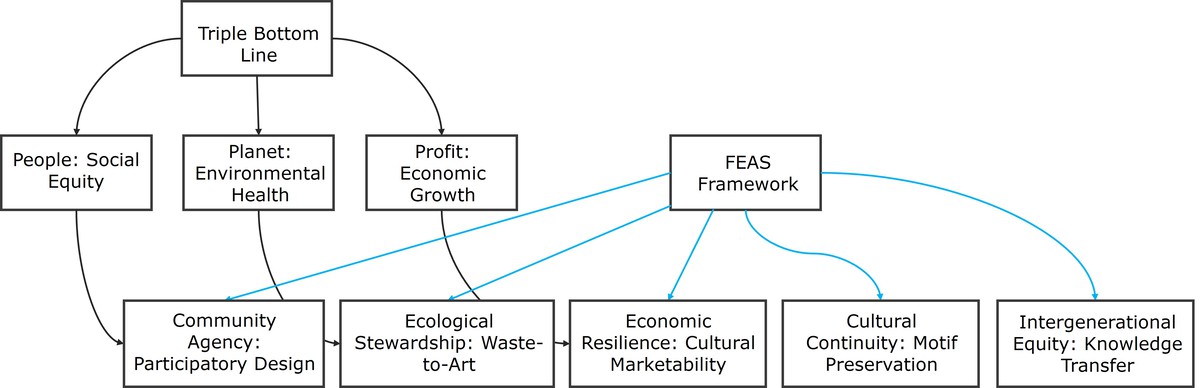
Figure 1. Folk-Art Embedded Sustainability (FEAS) against Triple Bottom Line (TBL) (Source: Researchers’ construct, 2024)
To address TBL's limitations, FEAS reframes sustainability as a community-led, culturally based approach. TBL, for example, can measure success by reducing landfill rubbish, but FEAS examines how upcycling junk into art revitalises cultural icons (such as Gonjonge motifs) and empowers artists to be eco-cultural innovators. TBL's corporate-centric growth metrics are juxtaposed with FEAS's rethinking of "Profit" as an economic system that promotes Indigenous ownership. This framework transforms the notion of holistic development by linking Indigenous cosmologies with Western sustainability paradigms. FEAS contributes to the discussion of sustainability by addressing flaws in TBL's universal approach and portraying cultural heritage as both a cause and a consequence of environmental and economic systems.
Triangulation
was achieved by integrating mixed-methods (qualitative interviews, observations, and quantitative waste metrics) and cross-referencing data from weavers, smock producers, and tailors. Two researchers independently coded transcripts (κ = 0.85), resolving discrepancies through consensus. Member-checking validated themes against community insights. This multi-layered approach enhanced credibility, mitigated bias, and ensured robust, contextually grounded findings.
4 | RESULTS AND DISCUSSION
4.1 | Textile Waste Management Practices Among Indigenous Artisans
Textile waste management among indigenous artisans reveals both challenges and opportunities for sustainable innovation
(Wanniarachchi et al., 2020). A study of 27 artisans, including weavers, smock producers, tailors, and dressmakers, found that weavers generate the most fabric waste, particularly during warping, with waste lengths ranging from 8 to 18 inches due to varying warping mill circumferences. Disposal methods vary: some artisans burn waste or repurpose it into rugs or fire kindling, while smock producers reuse similar-length scraps for children’s garments. However, improper disposal in gutters near roadside workshops poses significant environmental concerns, highlighting the need for better waste management strategies.
↓
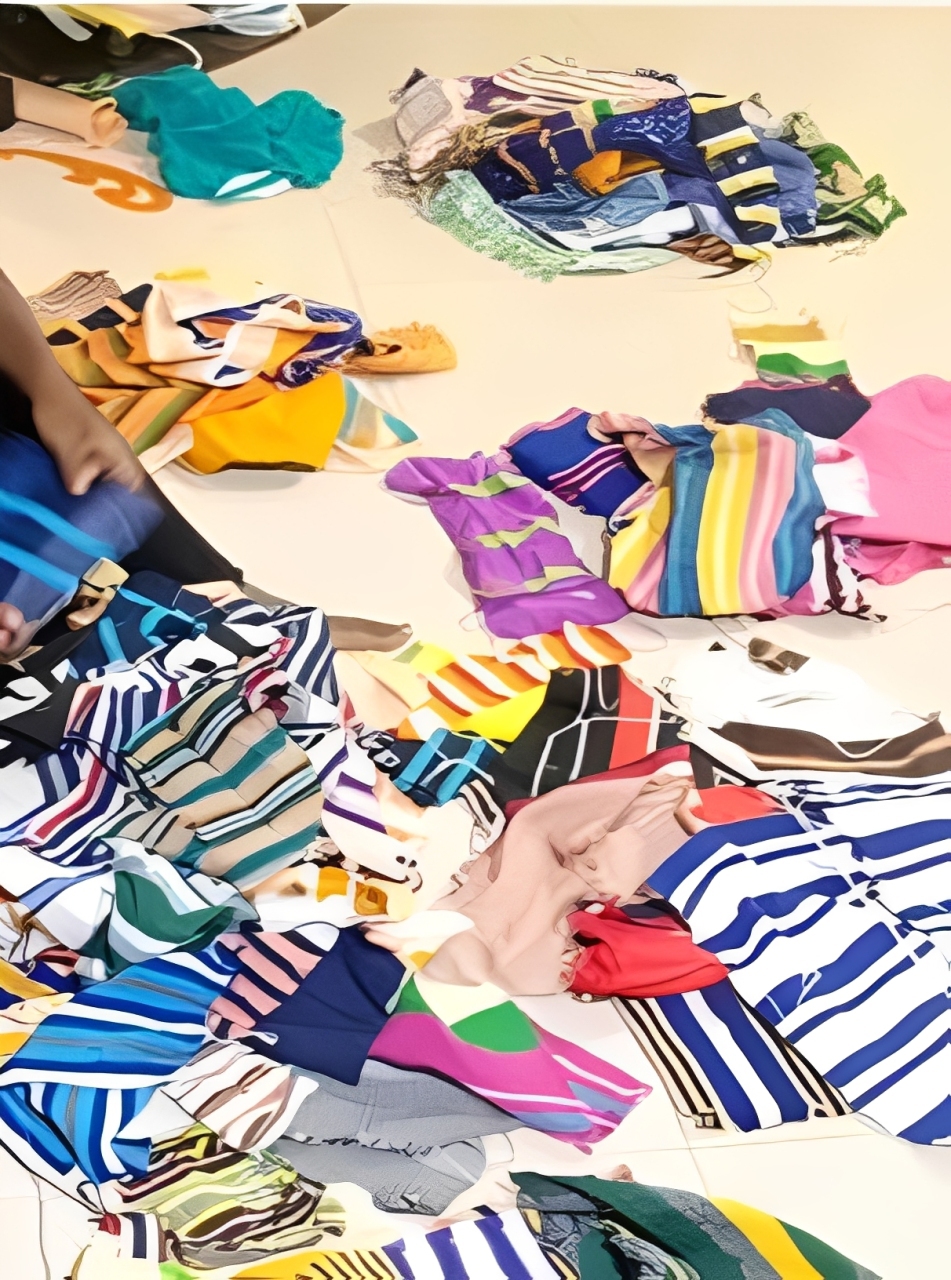
Figure 2. Sorting of Waste Fabric Pieces. (Source: Fieldwork, 2024)
To address textile waste, a systematic approach was implemented using 25kg fertiliser sacks for collection. Waste fabrics were sorted by size and colour as indicated in Figure 2, excluding pieces under four (4) inches or with politically sensitive hues. Usable materials were transformed into four-inch squares for patchwork garments or shaped into triangles/diamonds for appliqué designs. This method aligns indigenous craftsmanship with sustainability, reducing waste while preserving cultural heritage. The framework offers an adaptable model for textile communities to merge tradition with eco-innovation
(Beyers & Heinrichs, 2020).
4.2 | Upcycling Techniques and Their Applications
Three upcycling techniques, including patchwork, appliqué, and continuous joining, were employed to transform waste into functional and artistic products.
4.2.1| Project One: Patchwork Technique
Patchwork involves stitching small fabric pieces onto plain-coloured backgrounds (e.g., red, black, white) to create vibrant, culturally resonant designs. For instance, Figure 3 illustrates a harmonious blend of fabrics, featuring concentric circles and striped borders that reflect traditional motifs like
Gonjonge (Adinkra) symbols. This meticulous, handcrafted approach highlights the artisans’ skill in blending colours and textures, resulting in visually appealing garments. However, the technique is labour-intensive and time-consuming, requiring precise assembly and careful planning. While moderately durable, its reliance on hand-stitching limits its scalability for mass production, making it more suitable for artisanal and niche markets
(Peirson-Smith & Craik, 2020). Despite these challenges, patchwork remains a powerful method for preserving cultural heritage and reducing textile waste through creative reuse. Key Characteristics of the Patchwork Technique comprise of the design elements, colour and texture, craftsmanship and cultural significance, and the Challenges and Market Viability.
↓
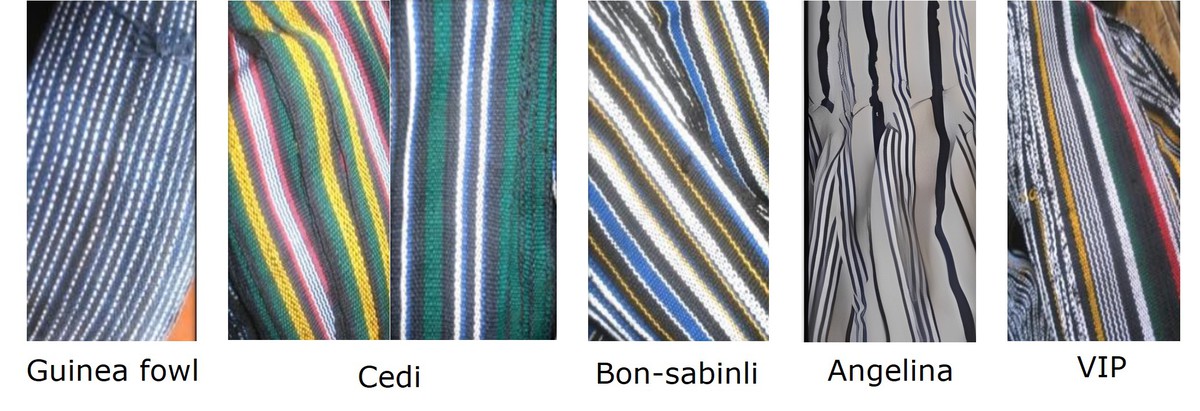
Figure 3. Selected Gonjonge Strip Patterns (Source:
Abdulai et al., 2016)
↓
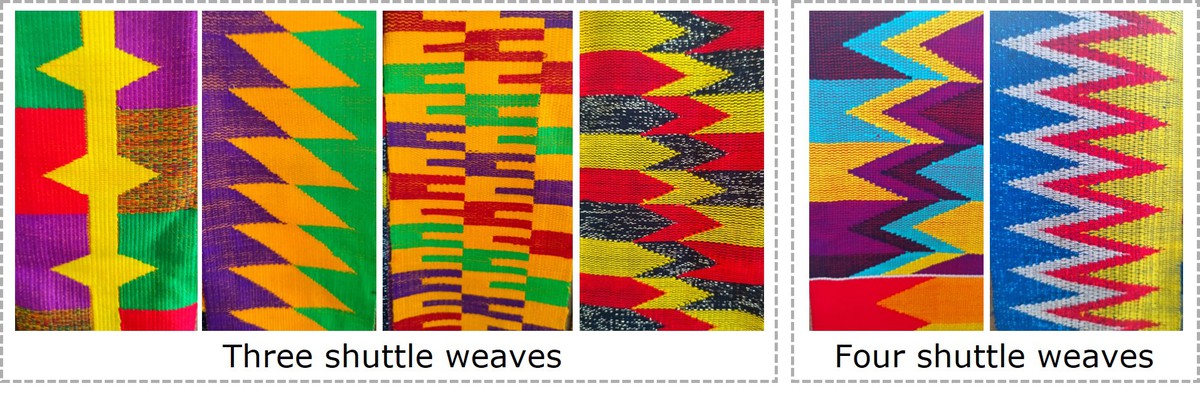
Figure 4. Selected Bonwire and Agotime-Kpetoe weave patterns (Source: Fieldwork, 2024)
↓
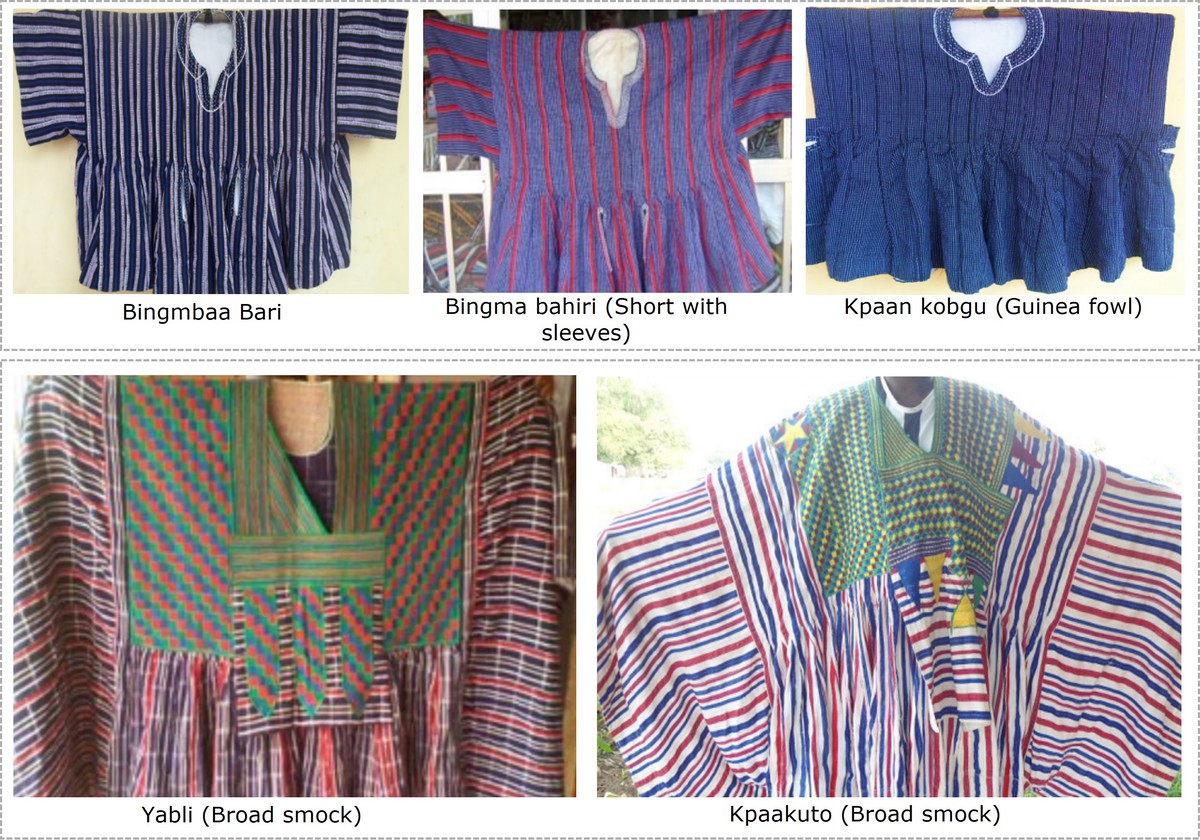
Figure 5. Dagomba Smock (Bimmangli) (Source:
Zakaria, 2020)