


1 | INTRODUCTION
The clothing industry in Africa has witnessed a significant rise in the importation and consumption of second-hand clothing (Costantini & Costantini, 2022). Second-hand clothes (SHC) are regarded as important in many African countries, Asian, and Latin America, because they provide an affordable alternative to new garments, shaping consumer purchasing behaviours and influencing sustainability efforts. While the economic benefits of second-hand clothing are widely acknowledged by many, concerns regarding consumer awareness of its use and disposal have gained attention in recent years. Fashion designers, as well as some consumers, are calling for intensive awareness campaigns in order to accomplish the goal of sustainability in the fashion industry (Harmsen, 2021).
Second-hand clothes have gained ground in the Ghanaian market and Africa as a whole. These second-hand clothes are being used within a short period and are thrown away or burnt (Niinimäki, et al., 2020) due to their abundance in the market. Consumers desire to purchase goods that are readily available in the market and are less expensive (Joy, et al., 2012). Second-hand clothes have become a solution to consumers on this quest. Importation of these clothes to Africa poses a lot of hazards to the environment and society (Aggarwal & More, 2020). Sometimes sellers are unable to sell all and due to the limited repurposing strategies in African countries, most of them are thrown away (Sumo et al., 2023). Zhang et al. (2022) states that the abundance of second-hand clothes in the African market is due to their low costs and ease of importation, and this business model stands as a notable success in Africa. Sumo et al. (2023) also revealed that, although second-hand clothes might be damaging to African countries, they create job opportunities for people in the trade, distribution, repair, laundry services, and upcycling sectors.
Despite SHC being affordable, they have many negative effects on the environment. When retailers are unable to sell all their clothes, they are sometimes compelled to throw them away, which litters the environment. The consumer, on the other hand, buys them often due to their inexpensiveness and might throw them away because they are readily available. Scholars,
Acquaye et al. (2023) and
Owusu-Wiredu (2024) opine that SHC consumers contribute to waste accumulation in landfills and even waterbodies as they throw away any products they feel dissatisfied with. Thrown away clothes might choke gutters and cause flooding during the rainy seasons. When these disposed items are washed into water bodies, they might cause various illnesses associated with the consumption and use of unclean water. Burning the SHC can also produce smoke, which will contaminate the air and, when inhaled, can cause lung problems
(Parvin, et al., 2020). Green peace, a non-governmental organisation, revealed that approximately 15 million items of second-hand clothing are received in Ghana, but nearly half of these clothes are unusable
(Omondi, 2024) which compels consumers to sometimes throw them away, or burn. These practices impact the environment significantly. In support of the above,
Franklin-Wallis (2023) also says second-hand clothes are transported to poorer countries such as Ghana which turns it into a dumping place. Environmentally friendly measures need to be put in place to ensure that SHCs that are considered waste are repurposed into valuable products. Despite increasing attention to sustainable fashion, there is limited research on consumer purchase behaviour and disposal practices on second-hand clothing in Ghana. Studies in Ghana on SHC have been on global trends and the capital of Ghana (Accra) and Kumasi
(Priya, 2022;
Acquaye et al., 2023), yet other parts of Ghana remain underexplored. This study aims to fill this gap by assessing consumers' purchasing practices, their awareness of sustainability, and their disposal practices of second-hand clothes.
2 | LITERATURE REVIEW
2.1 | Consumer awareness of sustainable fashion
Consumers are often willing to have some knowledge about clothes they are using or want to use, regardless of how expensive they might be (Joy & Peña, 2017). Soyer and Dittrich (2021) stated that these less expensive clothes are contributing to problems in the environment. Vehmas et al. (2018) in their study also revealed that consumers expressed interest in recycling and sustainable solutions for fashion products as a form of extending their clothing lifespan. The above studies insinuate that consumers appreciate the idea of recycling textile waste to produce new clothes. Vehmas et al. (2018) again demonstrated that channels of communication should be established to inform consumers about sustainable practices in the fashion industry. This will create awareness on the clothes consumers use and the negative impact they pose to the environment and society if thrown away without any sustainable measures put in place. The consumption patterns of consumers influence their purchase, use, and disposal of clothes (Soyer & Dittrich, 2021). Sometimes, people buy clothes for status, some to attain a certain class and some for leisure, which end up being wasted.
The role of media, social networks, and educational initiatives in shaping consumer awareness of fashion is significant and multifaceted. These elements play crucial roles in influencing perceptions, trends, and choices within the fashion industry.
Ishak and Zabil (2012) stated that for consumers to be fully aware of the products they consume, policymakers need to adopt programs to increase consumers’ awareness to create a resilient consumer society worldwide. Research on consumer behaviour suggests that attitudes toward sustainability in apparel purchasing are influenced by overall awareness of social and environmental well-being, perceptions of sustainable fashion, and previous ethical purchasing behaviour
(Mandarić et al., 2021).
Saricam et al. (2019) found that awareness levels of clothing use and disposal among participants in Turkey are comparable to those in other countries.
Han et al. (2017) also discovered that while consumers often engage in pro-sustainable practices, they do not always buy sustainable fashion products to demonstrate their awareness.
Acquaye et al. (2023) highlighted that in Ghana, problematic disposal patterns and environmental issues may arise from consumer purchasing practices and waste disposal methods. Despite improvements in customer awareness, there are still problems in the fashion industry
(Jacobson & Harrison, 2022). These include combating the rapid fashion culture and addressing the issue of "greenwashing", which involves misleading consumers with unfounded claims about sustainability. Because of concerns about sustainability, the influence of social media, and more transparency initiatives, consumer understanding of the fashion business has greatly changed. The main drivers of this awareness are raising customer awareness, encouraging ethical behaviour, and coordinating brand ideals with consumer values.
2.2 | Factors Influencing Consumer Behaviour Second-hand Clothes
Consumer purchasing decisions regarding SHC are influenced by a multitude of factors, ranging from personal values, beliefs, peer influence, and marketing strategies, among others (Hur & Cassidy, 2019). Consumers can make purchases in diverse ways due to these factors. Consumers who prioritise good environmental practices are often careful with their purchases, use and disposal of these second-hand clothes (Hagelberg, 2017). Consumer awareness about the social and environmental impacts of the fashion industry plays a significant role in shaping purchasing decisions (Ishak & Zabil, 2012). Education through media, documentaries, social campaigns, and sustainability initiatives can help consumers understand the importance of good consumer practices and motivate them to make more conscious choices in their decisions (Li & Leonas, 2022). Transparency in fashion in the supply chains, production processes, sourcing practices and marketing of fashion products in the market can also impact consumer behaviour towards fashion products (Saari et al., 2021).
Price remains a significant factor in consumer purchasing decisions, as cheaply priced goods attract or affect the buying decisions
(Pérez et al., 2022;
Mandarić et al., 2021). Consumers are enticed by low prices and frequent second-hand clothing purchases, leading to increased spending on clothing. However, this also fosters a culture of disposable fashion, where garments are worn for shorter periods before being replaced, driving continuous demand and consumption
(Cuesta-Valiño et al., 2022;
Joy et al., 2012;
Ruan et al., 2022). To achieve sustainable practices, industries globally must implement sustainable approaches in the fashion industry, which necessitate sustainable production and embracing decreased consumption
(Joy & Peña, 2017). Research indicates that consumers who practice careful behaviours like washing clothes in cold water and air-drying them tend to extend the lifespan of their garments
(Maguire & Fahy, 2023). By adopting these thoughtful practices, consumers can mitigate wear and tear on their garments, thereby maintaining the quality and appeal of their clothing for an extended period. Consumers often dispose of clothes in unsustainable ways, such as sending them to landfills
(Jestratijevic & Hillery, 2023;
Pingki & Kuntala, 2021). Researchers argued that increasing public awareness of textile recycling and upcycling options, as well as encouraging clothing donations to charitable organisations, can help mitigate the environmental impact of clothing disposal. A study by
Ceylan (2019) found that some consumers donate their used garments to environmental groups or organisations with the goal of maintaining a clean society and environment. Creating awareness through educational programs and workshops in person or through the media by fashion authorities will help curtail the behaviour of consumers in the use of second-hand clothes
(D’Adamo et al., 2022).
2.3 | Second-hand Clothes
The second-hand clothing (SHC) industry has experienced significant concerns recently, driven by increased environmental awareness, economic considerations, and the proliferation of digital resale platforms. Recent studies
Ki et al. (2024) and
Kuupole et al. (2025) indicate a shift in consumer attitudes towards SHC, influenced by sustainability concerns and economic factors. Internationally, consumers are motivated by environmental considerations and the desire for unique fashion items. A study in Ghana revealed that both attitude and disposal behaviour significantly influence the intention to purchase SHC
(Acquaye et al., 2023).
Mensah (2023) also highlights that the influx of low-quality SHC in Ghana contributes to environmental pollution, with approximately 40% of imported garments becoming waste. This pushes retailers and consumers of SHC to resort to various ways of disposing of unwanted garments, such as faded clothes, torn clothes, and stained clothes, among others. The SHC supply chain connects developed and developing countries, providing affordable clothing options and employment opportunities in regions like Africa
(Sumo et al., 2023). However, the market also faces challenges, including the importation of low-quality garments that are unmarketable, leading to environmental issues. In Ghana, there is a call for stricter regulations to limit the importation of SHC and mitigate environmental impacts
(Amanor, 2018). While SHC reduces the demand for new clothing production, the importation of low-quality garments can overwhelm waste management systems. Although the SHC market presents numerous challenges to the Ghanaian market, economically, its introduction has created greater affordability of clothing among middle-income consumers and provided employment opportunities for individuals. Also, these clothes have taken over the Ghanaian market, causing the local textile and fashion industries to suffer low demand from consumers
(Acquaye et al., 2023). This decline is due to low cost of SHC garment, availability and easy access in the market. The reliance on these clothes raises concerns about environmental cleanliness, sustainability, cultural identity, and the long-term development of Ghana’s fashion economy.
2.4 | Environmental Impact of Second-hand clothes
Second-hand clothes contribute to environmental pollution in multiple ways. The fashion industry consumes large quantities of non-renewable resources such as water, energy, and raw synthetic fibre material. Additionally, the production process generates substantial greenhouse gas emissions and pollution, from dyeing fabrics to disposing of unsold or discarded garments, often ending up in landfills
(Peleg Mizrachi & Tal, 2022;
Rukhaya et al., 2021). Fast fashion, which is mostly sent to developing countries as second-hand clothes, relies heavily on the extraction of natural resources such as water and raw materials like cotton, polyester, and other synthetic fibres
(Niinimäki et al., 2020). Synthetic fibres, for example, require fossil fuel in their production, contributing to carbon emissions
(Rukhaya et al., 2021). Textiles production uses numerous chemicals, including dyes, bleaches, and finishing agents
(Rukhaya et al., 2021;
Okai-Mensah et al., 2022). These chemicals can have harmful effects on both the environment and human health
(Niinimäki et al., 2020). For example, synthetic dyes often contain toxic substances that can contaminate waterways and soil, affecting ecosystems and wildlife. Additionally, the disposal of chemical-laden wastewater from textile factories contributes to water pollution
(Stenton et al., 2021). The fashion industry is a significant contributor to greenhouse gas emissions, with estimates suggesting it accounts for around 10% of global carbon emissions
(Biswas, et al., 2024;
Haseeb, et al., 2020). The production and transportation of clothing, as well as the energy-intensive processes involved, release greenhouse gases such as carbon dioxide (CO2), methane (CH4), and nitrous oxide (N2O) into the atmosphere
(Moazzem, 2020;
Seyedmahmoudi et al., 2018), contributing to climate change and global warming. Second-hand clothing's rapid importation and disposable nature result in a staggering amount of waste
(Niinimäki et al., 2020). Additionally, unsold or unsellable items often end up in landfills or are incinerated, further exacerbating waste management challenges and environmental pollution
(Busalim et al., 2022;
Yalcin-Enis et al., 2019). These items can take decades or even centuries to decompose in landfills, releasing greenhouse gases and harmful substances into the environment
(Kang et al., 2013;
Seyedmahmoudi et al., 2018). Furthermore, incinerating textiles can contribute to air pollution and the release of toxic chemicals into the atmosphere.
2.5 | Theory of Planned Behaviour
The theory of planned behaviour as proposed by Ajzen (1987) is a theory that investigates the behaviour of individuals. It is a popular theoretical framework in social psychology that analyses human behaviour in terms of intentions, attitudes, and perceived behavioural control, known as the theory of planned behaviour (TPB). The theory proposes that behaviour change is mediated by the intention to change, which is predicted by a person’s attitude, subjective norms, and perceived behavioural control (Soyer & Dittrich, 2021). Consumers have regular behavioural patterns in which they recognise products through subjective emotions and surrounding socio-environmental factors. They form beliefs, evaluate relevant information, and then form an attitude, resulting in specific actions (Kim et al., 2021; Djafarova & Foots, 2022). Ideally, normative intentions might result in either a favourable or unfavourable attitude toward the behaviour (Djafarova & Foots, 2022). Consumers' awareness of sustainability significantly shapes their clothing disposal practices. Individuals who possess a positive attitude toward sustainable disposal are more likely to engage in practices such as donating or recycling unwanted clothing. This relationship advocates for increased educational initiatives that foster positive environmental attitudes, essential for encouraging sustainable disposal practices. This ties back to the TPB framework, emphasising that improving consumer attitudes can lead to more favourable disposal behaviours.
Researchers,
Soyer and Dittrich (2021) and
Paço et al. (2021) emphasised that age, brand preference, quality, price, among other factors, correlate significantly with sustainable consumption choices during the phases of purchase and disposal. This highlights the importance of tailoring awareness initiatives to effectively target specific consumer segments, ultimately driving sustainable practices in clothing disposal. Positive behavioural practices among consumers can enhance proper choices of clothing purchase use and clothing disposal habits, ultimately aiding in the reduction of textile waste
(Paço et al., 2021).
2.6 | Conceptual framework
The study is guided by the Theory of Planned Behaviour (TPB), which suggests that individuals’ behaviours are influenced by attitudes, subjective norms, and perceived behavioural control. The conceptual framework incorporates key variables such as consumer awareness, purchasing behaviour, and disposal practices. This framework governs the flow of the study. Disposal behaviour becomes the dependent variable, whilst consumer, education, purchasing, use and after-use of the garment become the independent variables. The outcome of these independent variables informs the state of consumer disposal practices. If a consumer has not undergone any educational training to obtain knowledge on the impact of indiscriminate disposal practices, keeping the environment clean becomes difficult. Also, without education, making decisions during the purchase and use of clothes also becomes a difficult decision to make. Lack of awareness also affects the way an individual will dispose of his or her used clothes. Consumers sometimes count on the affordability, quality and comfortability of second-hand clothes before making their purchasing decisions and if these factors are not met, the clothes become useless, and they resort to disposing of them. On the aspect of disposal, they are either thrown away at landfills or burnt. Others resort to donating them to orphanages, family or friends.
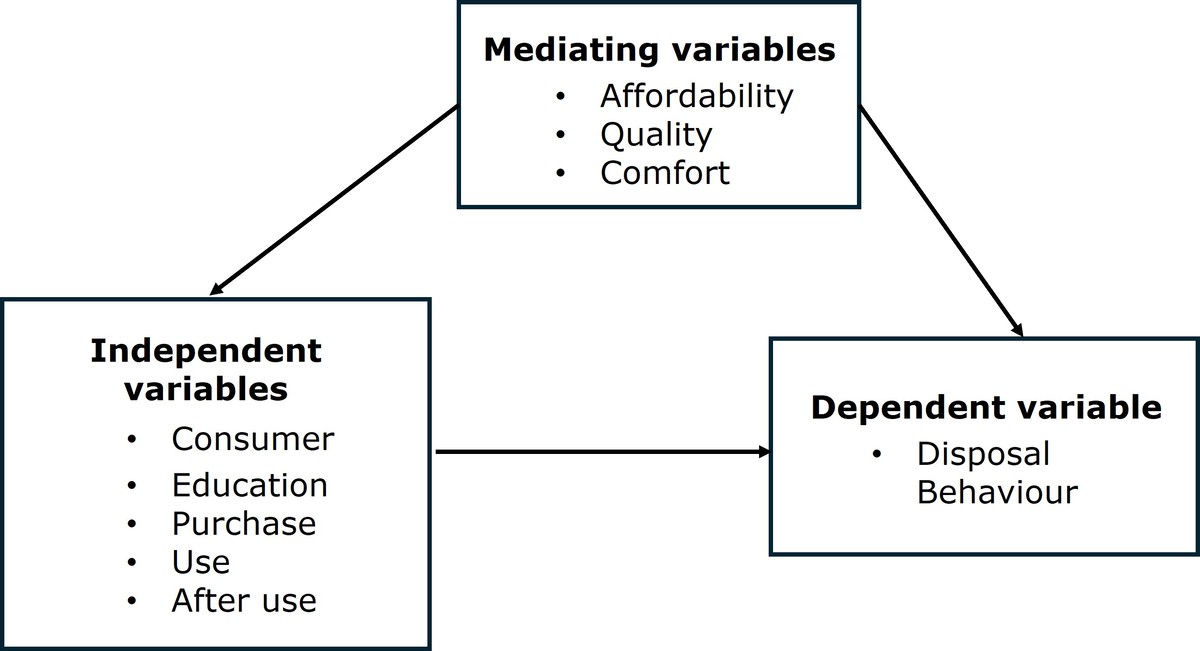
Figure 1. Conceptual Framework (Source: Author’s own construct, 2024)
3 | METHODOLOGY
A quantitative research approach was adopted in this study. This was to ensure an in-depth understanding of consumer purchasing motivations, as well as the influence of social and economic factors on their clothing purchases. Four hundred (400) respondents were engaged in the study in the Upper East Region of Ghana. The link was sent to various WhatsApp platforms, indicating the category of people qualified for the study. Participants without WhatsApp phones were contacted at their homes and workplaces, allowing research assistants to open the Google Forms and complete them with responses from the participants. The researchers used Slovin’s formula to calculate the sample size for the study. According to the 2021 population census, the population for the Upper East Region was 1,301,226.
Using Slovin’s formula to calculate the sample size.
n = N / (1 + N * (e)^2)
where n = sample size,
N = Total population = 1,301,226,
e = margin of error = 0.05,
n = 1,301,226 / (1 + 1,301,226 * (0.05) ^2)
n = 399.877
Round it up to 400
Therefore, sample size (n) = 400
3.1 | Data collection
Data were gathered using closed-ended questions through online administration. The questionnaire used was developed by the researchers based on the objectives set out for the study. These questions were read and corrected by all the authors to ensure clarity and reliability before data collection. The researchers then developed a Google link, which was used to distribute the questionnaire on WhatsApp platforms, targeting people from the Upper East Region. Five (5) communities from the Upper East Region were selected for the study out of the fifteen (15) communities in the region. This was carried out using the random sampling method, where names of all the communities were written, folded and picked one after the other to prevent being biased. There were representatives from the five (5) communities who distributed the link to the respondents without having access to the responses. The researchers targeted Eighty (80) responses from each community. Once this number is reached, the researchers close the link to start with the analyses. 400 responses were received from the respondents. There was voluntary participation in the study, and the assurance of respondents’ confidentiality was outlined in the Google link.
3.2 | Data Analysis
This portion of the study presents how data were analysed. Responses from participants were analysed to answer the questions outlined in the study using Descriptive statistics of percentages and frequencies. A descriptive analysis was conducted on the biometric information, consumer awareness, purchasing factors, consumer decision-making, and barriers to ensuring the sustainability of second-hand clothes.
4 | RESULTS AND DISCUSSION
4.1 | Demographic Information of Respondents
The demographic profile of the respondents revealed that most were females, at 226 (56.5%), while 174 (43.5%) were males. One hundred and sixty-five, 165 (41.25%) were found to be within the age category of 26-35, 151 (37.75%) participants were also within the age of 15-25, followed by those aged 36-45, 67 (16.75%) participants. Also, 13 (3.25%) participants were aged 46-55, whilst 4 (1.0%) participants were 56 years and above.
Regarding educational background, most of the respondents held a bachelor’s degree, with 118 (29.5%) participants reporting this level of education. A close second were those with a Higher National Diploma, totalling 116 (29%) participants. Additionally, 47 (11.75%) participants had completed Senior High School, while 41 (10.25%) participants held a Diploma. A smaller proportion had obtained a master’s degree 30 (7.5%) participants, and 29 (7.25%) participants were Junior High School leavers. Finally, 19 (4.75%) participants indicated they had no formal education, categorised under "others".
Table 1. Demographic Information
4.2 | Consumer Awareness of Sustainability
Table 2 presents an evaluation of consumers’ knowledge of sustainability, aiming to gauge their understanding of the concept within the fashion industry. The results revealed a varied spectrum of familiarity. While some respondents indicated that they were very familiar with the term “sustainability,” others reported being only somewhat or moderately familiar, suggesting a partial understanding. Additionally, a significant number of participants admitted to having limited knowledge, and some stated they were unfamiliar with the term altogether. These findings align with previous studies, which report that although awareness of sustainability is growing, consumers still lack a comprehensive understanding of sustainable fashion practices (Li & Leonas, 2022; Han, Woodside, & Ko, 2024).
The study also investigated the level of importance consumers assign to sustainability when making purchasing decisions. A total of 180 respondents regarded sustainability as an important factor in their fashion choices, while 160 considered it extremely important and felt it must be considered during purchases. An additional 41 respondents viewed sustainability as somewhat important, whereas 19 considered it not important at all. This tendency to undervalue sustainability may be influenced by limited knowledge or awareness, as supported by existing literature indicating a positive relationship between sustainability awareness and responsible fashion consumption (Blazquez, Henninger, Alexander, & Franquesa, 2020; Han et al., 2024).
Table 2. Familiarity with the concept of sustainability