
 ,


1 | INTRODUCTION
Global demand for high-quality clothing is driving garment manufacturers to adopt innovative approaches to meet consumer needs. Fashion firms and designers must improve their operations to remain competitive as consumers seek greater value at lower prices (Honu et al., 2020; Rausch & Kopplin, 2021; Chenet et al., 2021; Benyah et al., 2024). This trend underscores the need for sustainable fabric and notions sourcing in Ghana's fashion sector to ensure high-quality garment construction. However, there are several obstacles to sustainable sourcing, including inefficient procurement procedures, limited access to premium materials, and financial constraints (Cadigan, 2014; Manickam & Duraisamy, 2019; Chenal et al., 2021). Fashion designers must overcome these obstacles to become more competitive while upholding sustainability standards.
Although sustainable sourcing is receiving increasing attention, little is known about Ghanaian fashion designers' approaches to acquiring fabrics and notions. Relatively few studies examine the specific tactics employed by fashion designers in Ghana (Benyah et al., 2024), whereas most current research focuses on broader sustainability issues in global fashion supply chains (Rausch & Kopplin, 2021; Chenet et al., 2021). Furthermore, prior studies have not adequately investigated the skills required of designers to successfully navigate the challenges of sustainable sourcing (Cadigan, 2014; Manickam & Duraisamy, 2019). This lacuna in the literature necessitates a thorough analysis of Ghanaian fashion designers' sourcing methods to create a framework for sustainable garment manufacturing. The ineffectiveness of Ghanaian fashion designers in producing high-quality garments persists and is attributed to multiple factors (Amegbanu & Mpuangnan, 2023; Ahorsu & Eyram, 2023). For instance, in the view of Ahorsu and Eyram (2023), the implementation of a quality control system is critical to improving the quality of constructed garments. This has resulted in an unfortunate situation in which studies assessing the competency of fashion designers in sourcing fabrics and notions to construct quality garments in Ghana are scarce, a situation this study seeks to address. Having the required competency in sourcing fabrics and notions can improve the quality of garment construction by the Ghanaian Fashion Designer (Adikorley, 2013; Anyigba et al., 2023).
This study examines the sourcing practices of Ghanaian fashion designers and their implications for the manufacture of sustainable garments. Furthermore, it contributes to the growing body of research on sustainable fashion in developing nations by highlighting key sourcing issues and best practices. Additionally, it provides helpful information to help manufacturers, designers, and legislators make well-informed decisions regarding the use and acquisition of sustainable materials. It is anticipated that the results of this study will significantly impact policy-making, practice, and literature. By providing concrete data on sustainable sourcing practices in a developing fashion market, the study advances prior research from an academic perspective. In practice, it provides recommendations for garment makers and fashion designers to optimise their purchasing practices for sustainable development in the fashion industry. The study further advances environmentally friendly methods in Ghana's fashion industry, with broader societal implications. At the policy level, it could influence legislative frameworks that promote ethical fashion and sustainable sourcing.
This manuscript is organised as follows: In Section 2, pertinent research on sustainable sourcing in the fashion sector is reviewed, with a focus on key strategies and challenges. The study's research approach is described in Section 3. The results are presented and discussed in Section 4, with special attention to the implications for Ghanaian fashion designers. The study concludes in Section 5 with recommendations and future research objectives.
1.1| Fabrics and Notions Sourcing
Sourcing refers to the process of selecting how and where to procure finished goods or components (Textile Today, 2013; Tang et al., 2018; Mancini et al., 2021). Garment construction will involve selecting the fabrics and notions, and the production or finished-goods vendor with the lowest cost, while maintaining the required level of quality and service. Sourcing fabrics and notions, and sustainable garment production, have never ceased to be interrelated in the apparel industry globally (Jia et al., 2020). It almost seems impossible to make a complete choice of garment without considering how sourcing is undertaken (McNeill & Moore, 2015; Anner, 2020; Arrigo, 2020). This provides solid support for several studies that highlight the role of sourcing fabrics and notions in facilitating high-quality garment construction (De Sousa Jabbour et al., 2023; Bocken & Geradts, 2020). An existing gap that this study is to bridge. Along the global value chain for clothing production, mass production facilitated domesticating access, reduced costs, and expedited innovation. Purchasing textiles and ideas remains a powerful way to reduce the environmental harm caused by mass production (Akbari et al., 2020; Anyigba, 2023). Custom-made clothing is the primary feature of Ghana's garment production market (Nketsiah, 2020). This marketing strategy can help with some environmental and sustainability issues (Arora, 2023; Togobo et al., 2024). Therefore, the ability to source textiles and ideas for sustainable garment manufacturing is essential for Ghanaian fashion designers.
1.2| Garment Quality
The concept of quality has been described as the standard by which something is judged against other items of a like kind, and as the degree of excellence of something (Conole, 2016; Allen‐Duck et al., 2017). Conventionally, garment quality is perceived as originating from subjective/user-based and objective/product-based dimensions (Keller, 2017). For the fashion designer to deliver a quality garment that meets or exceeds the evaluation criteria of these perceived standards, fabric and notions must be sourced appropriately. This includes an intentional attempt to deploy a quality assurance system that is influenced by sourcing process activities. Hence, the entire sourcing process activities are to ensure quality is not just in product performance in the early usage, but when the product can stand the test of time, when the long-range goal of the product is fulfilled, thereby achieving its intended purpose and contributing to sustainability (Juran & Gryna, 2001; Luan et al., 2022). Many studies have confirmed a strong linkage between sourcing and the quality of end products along the fashion value chain (Shen et al., 2020; Tarigan et al., 2021). For instance, Pongo et al. (2019) report that the quality of sourced indigenous textiles, coupled with poor construction techniques, led to the rejection of garments from Ghana. This resulted in the inability of the Ghanaian garment manufacturers to meet international quality standards prescribed under the Africa Growth and Opportunity Act (AGOA) of the United States of America government. In Keller's (2017) view, the quality of a product presents both challenges and opportunities. Quality poses a problem due to competing products and presents opportunities because it is what the market demands or purchases. Therefore, if local garment manufacturers are to transform the problem of quality into an opportunity, they must strive to improve the quality of their garments beyond that of competing garments from both local and foreign manufacturers by leveraging their competency in sourcing fabrics and notions.
1.3| Competency in Sourcing
The ineffectiveness of Ghanaian fashion designers in producing high-quality garments persists and is attributed to multiple factors (Amegbanu & Mpuangnan, 2023; Ahorsu & Eyram, 2023). For instance, in the view of Ahorsu and Eyram (2023), the implementation of a quality control system is critical to improving the quality of constructed garments. Having requisite competence in sourcing fabrics and notions can improve the quality of garment construction among Ghanaian fashion designers (Adikorley, 2013; Anyigba et al., 2023). The ability to source materials, particularly in the fashion sector, has become a key factor in garment production. Fashion designers' ability to identify, analyse, and purchase appropriate fabrics and notions affects not only the quality and durability of garments but also the environmental and ethical impacts of their production (Kozlowski, Searcy, & Bardecki, 2018). Sustainable sourcing has become more popular in recent years due to concerns about textile waste, labour exploitation, and the use of synthetic materials.
Sourcing Competency entails more than the ability to identify resources; it also encompasses supply networks, material properties, environmental impacts, ethical considerations, cost-effectiveness, and other factors (Henninger et al., 2016). Traditionally, in many developing countries, such as Ghana, fashion education and practice have focused on sewing and design skills, often overlooking skills related to sourcing sustainable materials (Amegbanu, 2024). Designers cannot access eco-friendly supply chains, nor do they know enough about them, leading to bad fabric and trim choices. The rapid fashion model, the most common model in global supply chains, has fostered a culture of disposability, making it difficult for local designers to identify or prioritise more sustainable options (Niinimäki et al., 2020). A lack of competence among some designers leads them to rely on readily available materials in the local market. This could involve the use of inferior imported materials or low-quality textiles that have negative environmental impacts (Fletcher & Tham, 2019). Due to this lack of knowledge and incompetence, most of their products end up in landfills and contribute to upstream supply chains. Additionally, fashion professionals need to be aware of sustainable textile technologies and sourcing tools to make informed decisions (Shen, 2014). For example, existing databases and sourcing platforms that list environmentally friendly textiles, supplier tracking systems, and ethical trading frameworks have become necessary for modern fashion companies.
In Ghana, fashion groups such as the Ghana National Tailors and Dressmakers Association (GNTDA) have a significant impact on how professionals work, although members' skills remain underdeveloped (Glover et al., 2024). There have been successful collaborative training programs in various areas that have raised understanding of the circular economy, sustainable textile production, and ethical sourcing. These could be used as examples for Ghana's fashion industry (Nkrumah et al., 2023). Research demonstrates that supporting local textile value chains and integrating traditional textile skills with contemporary eco-friendly methods can help protect both culture and the environment (Fletcher & Tham, 2019). In general, although the global conversation about sustainable fashion is still evolving, there is a clear need to base it on the development of local sourcing competence. This includes making it easier for designers to identify eco-friendly fabrics, assessing supplier reliability, considering the environmental impacts of fashion over time, and adopting circular methods of garment production (Nkrumah et al., 2023). Filling these gaps will be important for encouraging sustainable clothing construction and positioning Ghanaian fashion designers as key players in the pursuit of global sustainability.
1.4| Conceptual Framework
To emphasise efficiency and quality in sustainable garment production, the Lean and Agile Sourcing Model (Vitasek, 2016) and the Theory of Product Quality (Juran & Gryna, 2001) were integrated into the assessment of sourcing competency in garment production. Agile sourcing ensures responsiveness to market changes and innovation in sustainable materials, whereas lean sourcing focuses on waste reduction, cost-effectiveness, and long-term supplier relationships. Ethical supplier selection, cost-effective sustainability, market-trend adaptation, and adherence to labour and environmental norms are important aspects of sourcing competence. Furthermore, rigorous planning, control, and continuous improvement enhance product quality in environmentally friendly production, ensuring longevity, ethical compliance, and customer satisfaction. Through effectiveness, moral accountability, and continuous innovation, this integrated framework improves procurement methods and promotes sustainability in the clothing industry.
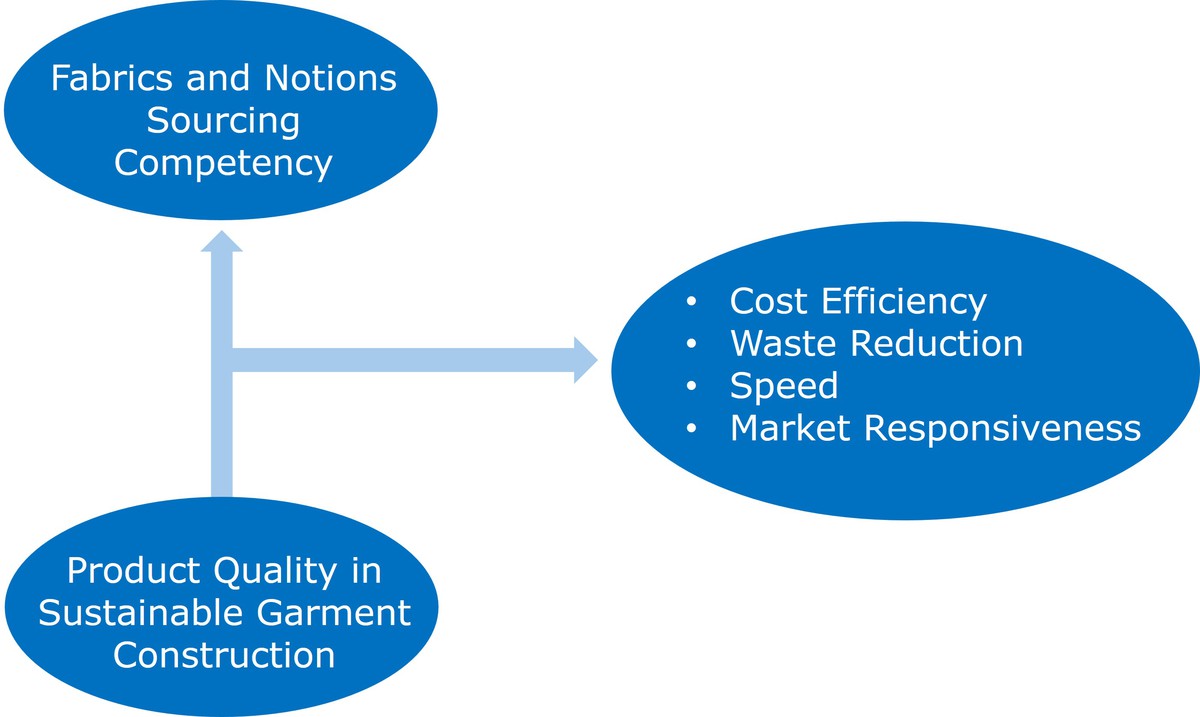
Figure 1. Authors' own construction of a conceptual framework, adopted from the lean and agile sourcing model (Vitasek, 2016) and product quality theory (Juran & Gryna, 2001)
The framework indicates the relationship between sustainable garment construction capabilities and operational advantages within the fashion industry. According to Kuncoro & Kusumawati (2021), selecting appropriate materials for a product may affect both the number of people who purchase it and their satisfaction with it. The core competencies comprise the textiles and notions sourcing competency, which is the ability to procure the materials and accessories required for garment production quickly and efficiently. The quality of this selection depends on the supplier's skill (Toufighi et al., 2024), and the process is dynamic, meaning it may evolve in response to market demands. This involves selecting appropriate fabrics, threads, buttons, zippers, and other materials required for production (Luisa, 2025; Patil, 2024). The mediating variable is the quality foundation that is sustainably supplied to a piece of clothing. In garment manufacturing, there is a need to maintain high standards of product quality and to adopt sustainable production methods. This entails the utilisation of sustainable materials, ethical manufacturing practices, and robust construction methods in garment production (Rahaman et al., 2024; Roy et al., 2024).
The dependent variables, which are the operational outcomes, are influenced by sourcing competency and quality construction practices. Operational outcomes identify four key benefits coming from robust sourcing competency and sustainable quality practices. These quality practices include cost efficiency, where respondents optimise material procurement and reduce waste, and as a result, help improve profit margins
(Aziz Khan et al., 2024); reduction of waste involves minimising material waste through improved planning and sustainable practices, achieved by optimising sourcing and production processes to enhance efficiency and reduce time-to-client delivery
(Surjit et al., 2024). Finally, market responsiveness, another quality practice, is the capacity of respondents to adjust swiftly to consumer demands and prevailing market trends. The sourcing competency directly contributes to operational benefits, which are based on sustainable, high-quality construction. This framework serves as a strategic model for fashion companies seeking to balance profitability and environmental responsibility while sustaining competitive advantages in speed and market adaptation.
2 | METHODOLOGY
A qualitative descriptive case study design was employed, using 30 semi-structured interviews and observations to assess how fashion designers source fabrics and notions for garment construction. Both the interviews and observations were guided by an interview guide and an observational checklist, which were provided to participants several days in advance for familiarisation (DeJonckheere et al., 2019). Two pilot interviews with experts in fashion and textile design were conducted for reliability and validity. Both the interview guide, the observational checklist, and the schedule underwent some minor adjustments. Sending both the guidelines and the checklist, and providing detailed explanations, helped participants gain a clear understanding of what was expected of them and what they would be assessed on. The interviews lasted between 20 and 30 minutes, conducted in conventional and open-ended formats at the respondents' workplaces. Both participatory and non-participatory observation were used to study how fashion designers receive clients' orders, source the right fabrics and notions, and use them to construct garments. A special timetable was developed to accommodate this observation plan for participants. Between 1 and 3 participants were observed in a day, across their engagement with clients, from fabric and notions sourcing to final garment construction. The study lasted three to four months, and the time spent on each process depended on the client’s order and on the respondent's prior experience with the respondent's processes. With participants' permission, the authors used both a camera and an audio recorder to record the interviews and observe the activities. All of the interviews were recorded and transcribed for analysis.
Also adopting the lean and agile sourcing model approach (Vitasek, 2016), the authors deduced six (6) sourcing guidelines. Thus, the purpose of the garment to be constructed, sources of fabrics and notions, cost of the garment, colour, quality assurance, and construction techniques are addressed to answer the research question: the competency of the Ghanaian fashion designer in sourcing fabrics and notions to construct a quality garment. Insights into current fabrics and notions sourcing practices among the selected fashion designers were also elicited using the earlier-mentioned guidelines, which served as the basic themes.
2.1| Sample
The target population for the study comprised fashion designers who are members of the Ghana National Tailors and Dressmakers Association (GNTDA) and who work in Sunyani Municipality (Odumase Zone A) in the Bono Region and in Kumasi Metropolis (Dekyemso Zone) in the Ashanti Region. The study's population comprised the GNTDA, which has an estimated membership of over 3,200 across Ghana
(GNTDA, 2020). The Dekyemso Zone and Odumase Zone A branches of the GNTDA have 30 and 50 memberships, respectively
(GNTDA, 2020). Dekyemso Zone and Odumase Zone A were selected because, according to
Sim et al. (2018), a sample can be drawn from a population when its aims and objectives reflect the characteristics of the entire population. Hence, in this study, the zone groupings within the population (GNTDA members) across the country possess the same problem characteristics empirically identified as the other zones. Moreover, a non-probabilistic purposive sampling technique was used to select the thirty (30) members, that is, fifteen (15) each from the two zones, who were “Madams” and “Masters”. The thirty (30) fashion designers were selected because they were members of the respective zones in good standing and were willing to be part of the study. According to
Vignati et al. (2022), trainers are expected to transfer the knowledge they have acquired to their apprentices, who, in turn, will soon share this knowledge to preserve posterity (Training of Trainers).
2.2| Analysis
The study employed a qualitative method to assess fashion designers' level of competency in sourcing fabrics and notions to produce high-quality garments. NVivo 12, a program for analysing qualitative data, was used for the thematic analysis. The data analysis was conducted in five steps, as indicated in Figure 2 (Akinyode & Khan, 2018). The analysis simplifies the questions and categorises the interview items based on pertinent theoretical features such as data logging, Anecdotes, vignettes, data coding, and thematic network. Data logging is the process of recording raw data from face-to-face interviews and observations. Anecdotes are instances in which researchers develop a comprehensive understanding of the data collected. Vignettes are a higher level of interpretation beyond mere description, a deeper understanding of the phenomenon, and the capture of themes. Data coding occurs when information is fragmented and classified into text to generate explanations and comprehensive themes. The thematic network organises subjects into three categories: basic themes, organised themes, and global themes (Crosswell & Beutel, 2012).
↓

Figure 2. Thematic analysis steps. Adapted from
Akinyode & Khan (2018) (This manuscript is published under the conditions of Creative Commons Licenses of CC-BY-NC-SA)
Themes were formed inductively based on the transcripts (responses from the interview) and deductively based on the published themes from the quality standards theory (Juran & Gryna, 2001) as well as existing sustainable fabrics and notions sourcing models (Tarigan et al., 2021; Katsaliaki et al., 2022; Brunet et al., 2020). The main themes generated were 'purpose of garment', 'source of fabrics and notions', 'type of fabrics and notions', 'colour choice', 'cost of production', 'constructional techniques', and 'quality assurance protocols' in line with research questions. Themes were subdivided into sub-themes, such as 'purpose of garment', and were divided into three sub-themes (casual, occasional, and formal garments). The source of fabrics and notions had two sub-themes (fashion designer-sourced and client-sourced). The theme ‘type of fabrics and notions’ had a sub-theme (eco-friendly fabrics). The theme 'colour choice' had many schemes (neutral, complementary colours, and others). Production cost had three sub-themes (low range, mid-range, and high range). Construction techniques had sub-themes such as quality assurance protocols during construction, with the following headings: pre-, during, and post-construction practices. This is shown in Table 1.
Table 1. Thematic Network Structure
Source: Adopted from Crosswell and Beutel (2012)
3 | RESULTS AND DISCUSSION
3.1| Demographic Data of the Respondents
The demographic data for fashion designers in the Dekyemso and Odumase zones A in Kumasi and Sunyani, respectively, cover the following attributes: gender, age, educational level, and years of professional practice (Table 2).
Table 2. Demographic Data of Respondents (n=30)