



1 | INTRODUCTION
The fashion and textile industries rely largely on a detailed understanding of fabric qualities, which have a significant impact on garment performance, durability, comfort, and aesthetics. Despite its importance, existing research indicates that students in fashion and textile programs often have a limited understanding of these qualities, which can lead to design and manufacturing issues that may compromise the quality of their products
(Tetteh Ademtsu & Pathak, 2023). Many students rely on intuition and personal experience rather than methodical knowledge, leading to inconsistency and inefficiency in garment manufacturing
(Luck, 2009). This disparity in comprehension highlights the need for more effective instructional techniques in fashion design schools. For example, wicking perspiration off the skin is essential for moisture management in sportswear to guarantee comfort
(Zhou et al., 2023). Important fabric attributes, including breathability, durability, moisture management, tensile strength, and eco-friendliness, are crucial for clothing design and manufacturing
(Zhou et al., 2023). Similar to this, clothing that is frequently worn and washed has to have tensile strength and endurance to ensure its life
(Peng et al., 2023;
Angelucci et al., 2021). However, students could struggle to choose the right materials for their designs if they don't have a firm grasp of these fabric properties. David Kolb's 1984 Experiential Learning Theory (ELT) provides a convincing paradigm for closing this knowledge gap. ELT highlights that learning happens in a cycle of active exploration, abstract conceptualisation, reflective observation, and concrete experiences
(Senok et al., 2021). Students learn about fabric qualities through practical projects, which improves their comprehension and capacity to apply abstract ideas in practical settings. Students may test, examine, and consider the behaviour of various textiles via practical interaction
(Hoyer et al., 2017), which enhances their understanding and helps them make better decisions.
There are still issues with implementing experiential learning in fashion and textile education, despite its acknowledged benefits. Lack of organised hands-on learning opportunities, insufficient facilities for practical experimentation, and restricted access to a variety of textile fabrics are some of the challenges that educators and students must overcome
(Tetteh Ademtsu & Pathak, 2023). Many students are therefore still ill-prepared to make wise choices about fabric qualities, which results in less-than-ideal clothing designs and inefficient production. To overcome these obstacles, curricular reforms that emphasise experiential learning, such as fabric testing, prototyping, and industry partnerships that expose students to real-world applications, are necessary. The necessity of having a thorough understanding of fabric qualities is further highlighted by the fashion industry's increasing emphasis on sustainability. The use of eco-friendly and biodegradable textiles is given priority in sustainable fashion methods, which reduce the negative environmental effects of clothing manufacture. Students can create more environmentally friendly designs by knowing fabric attributes, including biodegradability, resource efficiency, and life cycle effect
(Rahaman et al., 2024). The necessity for fashion education to include sustainability concepts in its curricula is underscored by this movement towards sustainability, which is in line with global trends and customer desire for clothing made ethically
(Razzaq et al., 2018).
The benefits of integrating experiential learning and sustainability into fashion are numerous. Through practical projects, students are exposed to sustainable materials, which better prepares them to produce creative ideas that meet industrial and environmental requirements. This strategy not only improves their technical proficiency but also fosters a sense of accountability for lowering textile waste and encouraging environmentally responsible behaviours
(Henden Şolt, 2023). Experiential learning equips students to address the changing needs of the fashion industry and help it transition towards sustainability by promoting a thorough grasp of fabric qualities and their application in garment manufacture. The purpose of this study was to determine how fashion design students at Accra Technical University comprehend fabric qualities using ELT as the theoretical background. The project aimed to close the gap between theoretical knowledge and real-world application by examining the difficulties students encounter and developing successful teaching methods, which will eventually improve the sustainability and quality of clothing. The results of this study might influence curriculum changes, encourage industry cooperation, and aid in the training of future professionals who are prepared to succeed in the fast-paced and ecologically sensitive fashion business.
1.1| Experiential Learning Theory in Fashion Design Education
Experiential Learning Theory (ELT), developed initially by Kolb’s emphasises learning through a continuous cycle of concrete experience, reflective observation, abstract conceptualisation, and active experimentation. In the context of fashion design education, ELT provides a critical pedagogical approach for bridging the gap between theoretical knowledge and practical application (Senok et al., 2021). In this study, a modified version of Kolb’s ELT framework is adopted to illustrate how students in fashion and textile programs internalise knowledge of fabric properties through iterative, hands-on engagement. As shown in the adapted learning cycle (Figure 1), students engage in fabric testing, garment prototyping, and reflective evaluation, activities that directly inform their understanding of fabric qualities such as drape, tensile strength, and durability. This model integrates traditional ELT phases with the realities of garment production, highlighting the transformation of knowledge into practical design outcomes. According to Nugent et al. (2019), learners who participate in tactile, experiential activities, such as manipulating various textiles, gain deeper insight into fabric behaviour, resulting in more informed decisions in both design and construction. This modified experiential approach not only enhances technical proficiency but also fosters critical thinking and innovation, which are indispensable in the rapidly evolving fashion industry (Seidu et al., 2023). Through this dynamic process, students move beyond textbook learning to cultivate the creative and analytical skills necessary for sustainable and high-quality garment production.
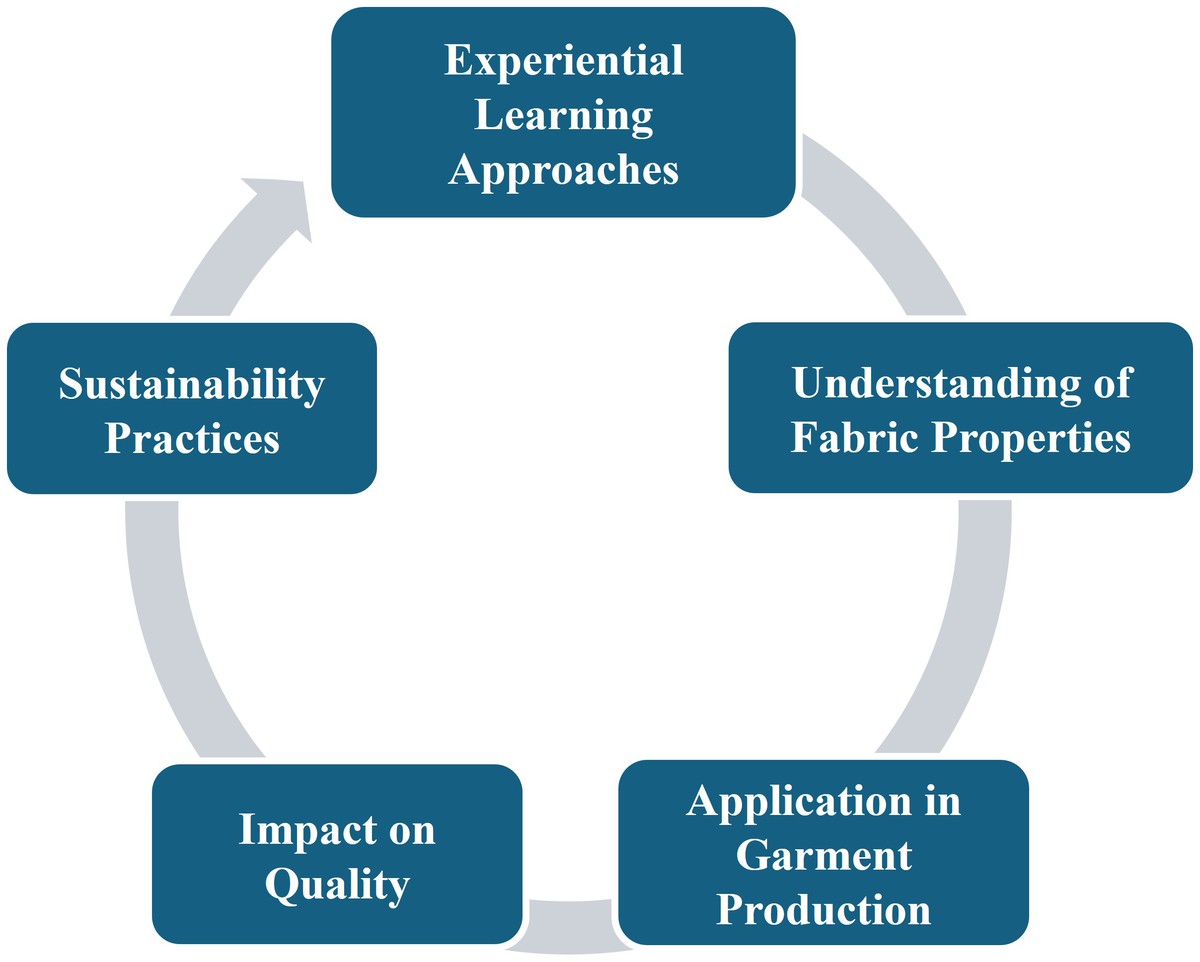
Figure 1. Conceptual Framework (Author’s Construct, 2024)
1.2| Fabric Properties and Their Impact on Garment Production
Fabric qualities have a substantial impact on garment manufacture by influencing design decisions, production efficiency, and product quality. Tensile strength, moisture management, durability, breathability, and environmental friendliness are all important features. The link between fabric qualities and garment performance is complicated, requiring a thorough understanding by both fashion designers and students
(Shashank & Behera, 2024). Understanding these qualities may lead to clothing that is more durable, comfortable, and visually appealing. Moisture management is one such crucial feature, particularly in performance and sportswear. Fabrics with high moisture-wicking qualities improve user comfort by pulling moisture away from the skin, according to
Zhou et al. (2023). Similarly, durability and tensile strength are critical for clothing that is often worn and laundered, assuring product lifespan
(Razzaq et al., 2018). Eco-friendly features, such as biodegradability and reduced carbon footprints, are gaining popularity as consumers want more sustainable fashion solutions
(Rahaman et al., 2024).
1.3| Challenges in Understanding and Applying Fabric Properties
Fashion and textile students sometimes confront difficulties in gaining and implementing knowledge about fabric qualities. Limited access to a varied selection of textiles and insufficient exposure to sustainable materials impede their capacity to make educated judgements (Tetteh Ademtsu & Pathak, 2023). Furthermore, traditional teaching approaches, which promote rote learning over practical involvement, worsen these problems. The lack of experiential learning opportunities has practical repercussions. Students without a systematic grasp of fabric qualities may struggle with garment construction and quality control, resulting in poor designs. To overcome these difficulties, research shows that curricular changes incorporating experiential projects, seminars, and industry collaborations are required (Senok et al., 2021).
1.4| Sustainable Textiles
Sustainability has been a key focus in fashion design, with an increasing emphasis on environmentally friendly and socially responsible techniques. Biodegradable textiles, recycling programs, and resource-efficient production processes all help to reduce the environmental impact of garment production (Weber, 2021). Razzaq et al. (2018) emphasise the need to understand the entire textile life cycle, from raw material sourcing to end-of-life disposal. Students must possess the knowledge and ability to select sustainable textiles and employ eco-friendly production methods. Integrating sustainability into fashion school through practical learning guarantees that students understand and apply sustainable design ideas. Students become ambassadors for ethical fashion practices by using sustainable materials and considering the environmental effects of their decisions. A thorough understanding of fabric qualities, based on experiential learning and sustainable methods, is essential for educating students to address the challenges of modern garment manufacturing. ELT provides a strong foundation for connecting academic knowledge to practical application, while sustainability concerns pave the road for environmentally conscientious innovation. Addressing the issues that fashion design students encounter requires educators, industry partners, and policymakers to work together to encourage a holistic, practice-based approach to learning. This guarantees that future professionals are well-prepared to make high-quality, long-lasting clothes that satisfy the changing needs of customers and the fashion industry.
1.5| The conceptual framework
The conceptual framework for this study investigates the dynamic interplay between students' understanding of fabric properties, experiential learning techniques, and their combined impact on garment production outcomes. It is based on Experiential Learning Theory (ELT), which emphasises learning via repeated cycles of experience, reflection, and experimentation. The framework also incorporates sustainability as a core topic, connecting teaching techniques to the growing need for ecologically friendly and responsible fashion manufacturing.
1.5.1| Core Construction
Experiential learning techniques: ELT-based activities such as prototyping and hands-on workshops provide a controlled environment for students to actively experiment, observe, and enhance their skills. These strategies convert theoretical concepts into practical comprehension.
Understanding of Fabric attributes: This refers to students' knowledge of essential fabric attributes such as tensile strength, durability, drape, breathability, and eco-friendliness. Bridging the gap between theory and practice in design and production necessitates extensive expertise.
Application in Garment Production: This framework focuses on the steps needed to translate fabric knowledge into finished garments. It encompasses design execution, material management, and construction processes, all of which are impacted by students' ability to apply their knowledge successfully.
Impact on Quality: This relates to the results of the garment production process in terms of durability, comfort, visual appeal, and overall performance. When fabric knowledge is used correctly, clothing satisfies both functional and customer requirements.
Sustainability Practices: This concept emphasises the incorporation of environmentally responsible principles into fabric selection and production. Students learn to prioritise sustainable materials and minimise the environmental impact of their goods.
The conceptual framework emphasises the cyclical nature of experiential learning and its transformational potential in equipping students with the skills necessary to thrive in today's fashion and textile industries. It outlines a strategy for enhancing teaching approaches and cultivating a generation of informed, ethical fashion professionals by linking practical engagement with sustainability ideals.
2 | METHODOLOGY
2.1| Research Design
A qualitative research methodology was employed in this study to investigate the experiences, attitudes, and knowledge of final-year students in the Fashion Design and Textiles Department at Accra Technical University (ATU) regarding fabric qualities and their impact on garment manufacture. Qualitative approaches were chosen for their capacity to provide rich, contextual insights into complicated phenomena through in-depth participant inquiry
(Walther et al., 2017). The study's focus on lived experiences and narratives sought to reveal the importance of experiential learning in altering students' knowledge and application of fabric qualities.
2.2| Study Populations and Sampling
The study population consisted of all final-year students enrolled in ATU's Fashion Design and Textiles Department, totalling around 375 individuals. This group was chosen for their advanced degree of exposure to garment manufacture, practical experience, and willingness to participate in thoughtful conversations about their knowledge and practical uses of fabric qualities. The study employed purposive sampling to recruit 20 individuals from the 375 final-year students. This strategy was chosen to guarantee that participants had extensive practical experience and exposure to fabric qualities and garment fabrication, allowing for the collection of rich, in-depth data
(Kühnen et al., 2022). The choice of 20 participants was also informed by the qualitative nature of the study, which prioritises depth of insight over sample size. In qualitative research, smaller, purposively selected samples are appropriate when the goal is to explore complex experiences and generate detailed thematic understanding rather than achieve statistical generalizability. The sample size was sufficient to achieve data saturation, as no new themes emerged from additional interviews. The sample consisted of a broad mix of male and female students with various levels of hands-on participation and project experience.
2.3| Methods for Collecting Data
Semi-structured interviews and focus group discussions were used for data collection. These methods provided complementary insights into individual and group viewpoints, thereby increasing the depth and breadth of the data. There were ten one-on-one interviews, each lasting forty-five to sixty minutes. To promote open-ended responses and allow for follow-up questions depending on participants' initial responses, a flexible interview methodology was used
(Bryman, 2016). The participants' comprehension of fabric qualities, the difficulties they encountered during clothing manufacture, and the impact of experiential learning on their abilities and knowledge were the main topics of inquiry. To encourage group interactions and collective comments on common experiences, two focus group discussions (FGDs) were conducted, each comprising five participants. The participants were purposively selected from final-year students based on their advanced practical experience and significant exposure to fabric properties and garment construction. Each session, lasting approximately 90 minutes, was conducted on campus and guided by a structured discussion outline, facilitated by the researcher, to promote open communication and active participation. Discussion topics included cooperative learning opportunities, challenges in fabric selection, and the integration of sustainable practices. As recommended by
Stalmeijer et al. (2014), FGDs were used to complement individual interviews and capture group dynamics and shared perspectives.
2.4| Ethical considerations
All participants were informed of the study's goal, their ability to withdraw at any time, and the safeguards in place to ensure their confidentiality and anonymity. Each participant provided informed consent prior to data collection. To maintain anonymity, all data were anonymised throughout transcription and processing.
2.5| Data Analysis
The data from interviews and focus group discussions were analysed using thematic analysis, a method that systematically identifies and organises patterns of meaning within qualitative data
(Vaismoradi et al., 2013). The process involved familiarising with the data, initial coding, theme identification, refinement, definition, and narrative construction. Key themes included understanding fabric properties, experiential learning challenges, sustainability practices in garment production, and the impact of hands-on projects. Themes were presented using illustrative quotes to provide a detailed understanding of participants' experiences.
2.6| Ensuring trustworthiness
To increase the credibility, transferability, dependability, and confirmability of the findings, the following techniques were used:
Member Checking: Participants had the opportunity to review their interview transcripts and preliminary theme results. This procedure allowed them to double-check the accuracy of their replies and provide clarification or additional information as needed. Member verification helps to ensure that the interpretations correctly reflect the participants' intended meanings.
Triangulation: Data were triangulated to ensure validity by comparing and combining findings from two primary sources: semi-structured interviews and focus group discussions. Specifically, individual responses from interviews were cross-validated against themes that emerged in the focus group discussions. This allowed the researcher to confirm consistent patterns, resolve contradictions, and identify complementary insights between individual and group perspectives, thereby increasing the depth and reliability of the study.
Reflexivity: Throughout the data collection and analysis process, the researcher maintained a reflective notebook to track personal assumptions, new insights, and potential biases. This method encouraged transparency and self-awareness, which helped limit the researcher's influence on data interpretation and reinforced the integrity of the findings.
3 | RESULTS
The thematic analysis yielded several key themes relating to students' comprehension of fabric qualities, challenges in applying that knowledge, and the influence of experiential learning on skill development. Among the 20 participants, approximately half demonstrated only basic knowledge of fabric properties, while the rest exhibited more advanced understanding, acquired mainly through hands-on projects. This variation was attributed to differences in access to practical learning opportunities and materials. Insights from the FGDs reinforced these observations. Participants collectively reflected on the barriers, including limited access to sustainable fabrics and a lack of structured, hands-on learning opportunities. In group discussions, students also highlighted how shared practical activities, like garment prototyping, enhanced their learning, illustrating key stages of the Experiential Learning Theory (ELT) cycle. A notable theme that emerged from the FGDs was the strong collective interest in sustainable practices, despite common challenges like high material costs and insufficient institutional support. These findings underscore the transformational role of experiential learning in strengthening practical knowledge, while also highlighting curriculum gaps that hinder optimal outcomes. The integration of interviews and focus group discussions enabled a deeper, triangulated understanding of students' experiences, following a thematic analysis framework as suggested by
Vaismoradi et al. (2013). The themes that follow present a detailed view of these insights.
3.1
|
Understanding the Fabric Properties
This theme highlights students' understanding of essential fabric properties such as tensile strength, moisture management, and eco-friendliness, as well as their application in garment manufacture.
Table 1 . Students' Understanding of Fabric Properties
3.1.1| Challenges in Applying Fabric Knowledge
Participants identified a range of challenges they faced in applying their knowledge of fabric properties during garment production.
Table 2. Challenges in Applying Fabric Knowledge
3.2| Experiential Learning and Hands-On Engagement
This theme highlights the impact of practical experiences, such as workshops and garment prototyping, on students' understanding of fabric properties.
Table 3. Experiential Learning
3.3| Sustainability in Garment Production
Students expressed interest in integrating sustainable practices into garment production, but faced various barriers.
Table 4. Sustainability
Students are driven to include sustainability in their designs and raise awareness of environmental concerns in the fashion business.
Barriers to Implementation: The high cost and restricted availability of sustainable materials, along with a lack of curricular emphasis, limit the practical application of sustainable practices.
Practical Support: Students require hands-on projects, collaborations with sustainable textile sources, and curricular modifications to create eco-friendly designs.
4 | DISCUSSION OF FINDINGS
The study's findings reveal that students exhibit variable levels of comprehension regarding essential fabric qualities, including tensile strength, moisture management, and eco-friendliness. While some students demonstrated a sophisticated understanding of how these qualities impact garment creation, others relied solely on fundamental knowledge or intuition, lacking deeper conceptual clarity. As previously noted by Tetteh Ademtsu & Pathak (2023), this gap reflects inequalities in students' exposure to experiential learning opportunities. Hands-on experiences, such as fabric testing and prototyping, have been demonstrated to be crucial in closing these knowledge gaps. This variety is consistent with the findings of Luck (2009), who reported that students frequently struggle to apply theoretical fabric knowledge without enough practical involvement. Furthermore, Kolb's Experiential Learning Theory supports the idea that learning via direct experience, reflection, and experimentation leads to a better grasp of complicated subjects (Kolb, 2000). This emphasises the importance of practical learning methodologies in textile and fashion education. The conceptual framework developed for this study emphasised a cyclical model of experiential learning, integrating Kolb’s ELT stages with sustainable garment practices. The findings align strongly with this model, students learned best through hands-on workshops (concrete experience), reflected on these during FGDs (reflective observation), and adapted their approaches in future projects (active experimentation). Moreover, sustainability emerged as a core concern, reinforcing the framework's inclusion of eco-conscious practices as a key outcome of experiential learning. These linkages between framework and findings validate the theoretical underpinning and offer direction for practical curriculum design.
The lack of knowledge about fabric properties among certain students emphasises the need for a more organised and thorough education.
Razzaq et al. (2018) stressed the need to integrate sustainability ideas into educational programs, which not only enhances technical abilities but also encourages environmentally sensitive actions. Similarly,
Peng et al. (2023) and
Angelucci et al. (2021) emphasised that understanding fabric qualities is essential for making educated judgements concerning garment design, quality, and performance. Improving students' understanding of fabric qualities is crucial to ensure they are ready for the demands of the fashion business. Comprehensive educational frameworks that integrate theoretical learning with hands-on experiences may help students make design decisions that are consistent with industry quality and sustainability requirements
(Shashank & Behera, 2024). Furthermore, addressing hurdles such as restricted availability of different materials and insufficient attention to sustainability in the curriculum can help students design high-quality, environmentally responsible clothes. This is consistent with
Senok et al. (2021), who argued for the integration of industry collaboration and practical initiatives to bridge the gap between knowledge and implementation.
4.1| Fabric Knowledge Application Challenges
Participants identified several challenges in applying their understanding of fabric qualities effectively throughout the garment creation process. One of the most significant shortcomings was the lack of structured, practical workshops or hands-on experiences, as well as restricted access to a variety of textile materials. These limitations hampered students' ability to investigate the physical and behavioural aspects of various materials, restricting their ability to make educated design judgments based on real-world experience. Restricted access to a diverse range of fabrics has important instructional consequences. According to Tetteh Ademtsu and Pathak (2023), exposure to a diverse range of fabric types is critical for students to grasp fabric behaviour such as drape, stretch, durability, and reaction to construction techniques, in various design settings. When such experience is insufficient, students frequently fail to transfer theoretical knowledge into practical abilities, resulting in inconsistent garment construction and an overreliance on known or default materials. Murzyn-Kupisz and Hołuj (2021) discovered that textile and fashion students with restricted material availability often exhibit poorer levels of creative problem-solving and flexibility in design processes. Furthermore, the lack of strong hands-on learning mechanisms in the curriculum represents a key deficit in fashion education. Experiential Learning Theory by Kolb (2015) emphasises the relevance of real experience and active exploration in the learning process. Students cannot participate in the whole experience cycle unless they have the opportunity to test, alter, and reflect on the behaviour of different fabrics through workshops, prototypes, and iterative building activities. As a result, they may only have a rudimentary understanding of fabric qualities, which limits their ability to innovate or troubleshoot throughout garment creation. These restrictions are exacerbated when students confront real-world design projects or acquire industrial employment. Students with limited experience in fabric testing and material handling frequently felt underprepared for the technical demands of professional garment manufacture. Furthermore, Angelucci et al. (2021) and Peng et al. (2023) argue that knowing fabric performance in context rather than in theory is critical for assuring durability, fit, and sustainability in garment results.
To close this gap, the study's findings strongly advocate curricular modifications that emphasise material-centred education. This includes fabric testing facilities, encouraging live garment production sessions, and promoting sustainability via access to environmentally favourable materials. Collaborative agreements with textile producers and local industry actors might also help institutions stock a more diversified and useful fabric inventory. Such collaborations would allow students to experiment with a variety of traditional, synthetic, and sustainable fabrics, combining academic knowledge with hands-on experience
(Kühnen, Silva, & Hahn, 2022). The difficulty of applying fabric knowledge reflects larger structural and resource-based issues in fashion education. Addressing these needs through targeted curricular changes and stakeholder engagement is crucial for equipping students with the necessary skills, confidence, and adaptability required for modern fashion and textile practice.
4.2| The Impact of Experiential Learning
To close this gap, the study's findings clearly suggest the necessity for curricular revision. Experiential Learning Theory (ELT) has evolved as an important instructional paradigm for improving the practical and cognitive development of students in creative and technical areas. ELT in fashion design and textile education provides unique insights into how students integrate difficult knowledge via active interaction, reflection, and problem-solving. This study underlines ELT's applicability by demonstrating hands-on tasks such as fabric testing, garment prototyping, and building exercises significantly increased students' understanding and application of theoretical fabric knowledge. Participants reported that hands-on experience with materials helped them link classroom topics to real-world garment production difficulties. Physical interaction with materials enabled them to examine subtle features such as drape, elasticity, breathability, and moisture management, as well as comprehend how these attributes influence design outputs. These exercises encouraged not just technical proficiency, but also deeper critical thinking and creative adaptability when confronted with design challenges. These findings are consistent with Kolb's (2000, 2015) experiential learning paradigm, which stresses a four-stage cycle of concrete experience, reflective observation, abstract conceptualisation, and active experimentation. This cyclical cycle allows learners to generate meaning from experience and develop their knowledge via applied practice.
Furthermore, hands-on learning allows students to handle uncertainty and solve problems on their own. As
Senok et al. (2021) point out, experiential learning promotes metacognitive abilities and self-directed learning, both of which are especially important in design-focused fields that need innovation. In this study, students noted how project-based activities, such as prototype refining and material testing, helped them understand the limitations and strengths of various materials and improved their decision-making abilities. Emerging advances in wearable technology and functional fabrics reinforce the need for experiential methods. According to
Angelucci et al. (2021), understanding the behaviour of smart textiles and sensorised clothing necessitates tactile interaction since certain properties, such as conductivity, flexibility, and responsiveness, cannot be adequately taught by theoretical education alone. This is consistent with the opinions of the participants, who stated that only via physical manipulation could they properly grasp the behaviour of various materials during construction and usage. Finally, these data demonstrate ELT's transformational influence in developing not just technical skill, but also crucial qualities such as creativity, problem-solving, and sustainability consciousness. Experiential learning is crucial for fashion graduates to be industry-ready, introspective, and capable of reacting to current design difficulties
(Murzyn-Kupisz & Hołuj, 2021).
4.3| Sustainability Issues and Practices
Participants reported a significant desire to include sustainability in their fashion design techniques, mirroring worldwide trends toward environmentally friendly and socially responsible production. However, they met significant challenges, including high costs, restricted availability of sustainable materials, and insufficient curricular emphasis on environmental practices. According to
Razzaq et al. (2018) and
Murzyn-Kupisz and Hołuj (2021), sustainability in fashion education is typically theoretical and lacks resources. Students' understanding of environmental concerns was clear, but their capacity to implement sustainable approaches was hampered by structural restrictions such as obsolete curriculum and a lack of practical projects using eco-friendly materials
(Tetteh Ademtsu & Pathak, 2023). As
Kühnen et al. (2022) point out, successful sustainability education necessitates a change from passive knowledge to active participation. To close this gap, universities could incorporate sustainability into practical curricula, provide access to greener materials, and develop collaborations with environmentally aware textile companies. These approaches will better equip students to meet industry expectations and contribute to long-term fashion innovation
(Kolb, 2015;
Rahaman et al., 2024).
5 | IMPLICATIONS OF FINDINGS
The study has various implications for educators, policymakers and industry stakeholders. The findings of this study have a meaningful impact on educators, curriculum developers, policymakers, and stakeholders within the fashion and textile industry. One of the key takeaways is the urgent need to enhance the fashion curriculum to incorporate more experiential learning opportunities. The inclusion of structured workshops, fabric testing exercises, and prototyping activities can significantly improve students’ understanding of fabric properties and their practical application in garment design. Moreover, forging deeper collaborations between academic institutions and industry partners can expose students to a wider range of materials and tools, thus enriching their learning experience and strengthening their technical and creative skills. Another important implication is the integration of sustainability into the teaching and learning process. The study revealed that while students are increasingly aware of environmental concerns, there is a gap between awareness and practical implementation. Embedding sustainability education into the core curriculum, alongside access to eco-friendly materials, can empower students to develop innovative, responsible fashion solutions that align with global sustainability goals. Such integration also has the potential to influence students' design philosophies and encourage long-term commitment to ethical practices in their professional lives.
For policymakers and industry stakeholders, the study underscores structural gaps that hinder the practical advancement of fashion education. Financial constraints and limited access to textile laboratories or sustainable materials often restrict student exploration. Thus, there is a pressing need for targeted funding support to improve infrastructure in technical universities and provide resources such as diverse fabric inventories and eco-friendly textiles for instructional use. Policymakers can further support this agenda by advocating for national curriculum standards that emphasise practical, skill-based learning, including modules on material science, textile sustainability, and environmentally conscious design. Industry-stakeholder collaboration should also be encouraged through policy interventions or grant schemes that foster partnerships between fashion institutions and local textile businesses. Such collaboration would not only facilitate real-world learning and internship opportunities but also stimulate innovation and research. Importantly, support should be extended to local sust