



1 | INTRODUCTION
Traditional handloom weaving in Ghana is categorised into three; the Kente, Kete and smock. The Kente and kete are weft-faced fabrics produced by the Akans and the Ewes, respectively. The smock, however, is a warp-faced fabric produced predominantly in the northern regions of Ghana (Frimpong et al., 2020; Frimpong & Asinyo, 2013; Lartey, 2018). The Kente weaving sector of the textile industry has experienced a significant shift over the last few years. New colour schemes, patterns, materials and production techniques have been introduced. In recent years, synthetic fibres, advanced embroidery techniques, digital printing and appliqué styles have been incorporated into Kente production, leading to both aesthetic and functional quality modifications (Gyasi et al., 2023), as shown in Figure 1. This shift brings to the fore the broader changes in present-day consumption and what consumers are looking for in their kente products, as far as personalisation, emotional resonance and aesthetics are concerned. This new taste and production in modern kente raises questions about what drives modern consumers to accept these innovative variations of a culturally significant product.
The current study argues that the adoption of innovative Kente designs is driven by cultural symbolism and a multifaceted relationship between aesthetic appeal, identity representation, and emotional attachment. This is how the purchase intentions of consumers are formed. This paper argues that to keep Kente as not just a culturally significant cloth but also as an economically viable merchandise, the conversation needs to shift towards recognising market dynamics as well as the psychology behind changing consumer behaviours. To explore these forces at work, this study employs the Integrated Aesthetic-Identity Model, which synthesises three interrelated theoretical perspectives:
- Aesthetic Response Theory, which claims that the visual and tactile dimensions of design contribute immensely to shaping consumer preferences (Yu et al., 2018).
- Social Identity Theory emphasises that a person's affiliation with a group and culture shapes their consumer attitudes (Brewer, Maniz & Shaw, 1993).
- Emotional Attachment Theory explains that consumers' emotional attachment towards products leads to brand loyalty and affects purchasing behaviour (Thomson, MacInnis, & Park, 2005).
These theories provide the foundation for investigating how consumers respond to innovation in cultural fashion products such as Kente designs. The study is premised on these objectives:
- To investigate how aesthetic appeal impacts the adoption of innovative Kente designs.
- To examine the role of cultural identity in shaping consumer attitudes toward innovative Kente.
- To evaluate the emotional attachment of Akan consumers to Kente fabrics and its influence on purchasing decisions.
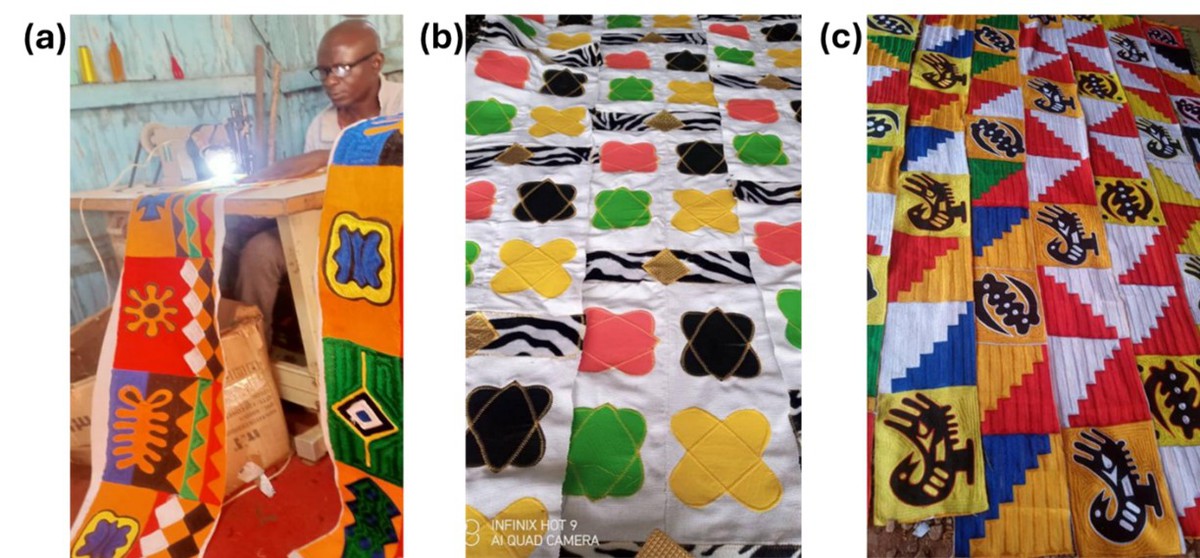
Figure 1. (a) Kente designer using the embroidery machine, (b) Kente with leather applique, (c) Kente with embroidery technique. Source. From fieldwork, 2024.
1.1 | Contextual background of Kente
Kente is a traditional textile cloth that is extremely regarded by the Asante people of Ghana. Legend has it that two Asante hunters, Kwaku Ameyaw and Ota Karaban, who were from Bonwire in the Asante Region, came across a spider weaving its web in the forest. These hunters, enthused by the weaving act, returned to their village and reproduced the spider’s patterns using raffia fibres to make a cloth (Asamoah, 2021; Asante, 2019; Ross, 1998). The weaving first began with a single thread in the Ashanti region town of Bonwire. After reporting the weaving discovery to the Asante King Osei Tutu, the weave was adopted as a royal cloth to be used during special occasions and became a prominent cloth from the 17th and 18th centuries in the Asante Empire. Of late, Kente cloth is mostly woven by the Asante people of Bonwire and has extended to some nearby towns like Adanwomase, Wonoo, Ntonso, Safo and others. The earliest Kente cloths were produced with black and white threads until Nana Agyeman Prempeh ascended the Golden Stool (Smith 1975).
Ayesu et al. (2021) aver that the Kente cloth is woven on the traditional loom, and the patterns used for the cloth are typically adinkra symbols. More so, the patterns, which are sometimes referred to as motifs or designs, are geometric shapes that are intricate and have interpretation, history or a myth and some philosophy behind them. Again, these symbols have societal values and proverbs that convey messages to the general public (Armah et al., 2023). Furthermore, Adom (2024) points out that specific Asante Kente weaving patterns represent important historical events in the Asante community, alongside their religious beliefs, governance ideals, and commonly held ethical and moral values.
The Kente cloth was woven with cotton, rayon and silk threads (Pandey et al., 2022; Henroid, 2023; Fening, 2006) however, more recently, silk yarns are no longer used; rather, metallic yarns have found their way into the creation of the fabric, yielding pulsating colours and sophisticated designs that make it lovely and pleasing. The quality and nature of yarn in a particular cloth have a direct influence on the level of reverence accorded it. Silk yarns, being the most prestigious, are highly valued. In the past, silk cloth was exclusively reserved for royalty and the wealthy (Fening, 2006). The cloth has now gained extensive acknowledgement throughout Ghana and abroad (Asante, 2019). The author further indicated that formally, the Kente cloth was set aside for royalty and chiefs and other high-ranking people in the Asante Kingdom, but in this modern era, the Kente is worn by all manner of people. The Kente cloth is worn on occasions such as weddings, festivals, installations of chiefs, durbars, outdooring, graduations and other important ceremonies. Philosophically, each Kente cloth conveys a message either about the wearer or to onlookers. Armah et al. (2023) pointed out that wearers of the Kente cloth consider many factors before selecting a particular cloth to put on for any given occasion. Factors such as the ethical meaning of the cloth to onlookers are given priority even over the beauty of the cloth. It is worth noting that the type of motifs, design arrangements, and colour scheme convey philosophical codes which many Akans understand (Ayesu et al., 2021; Adom, 2024).
In Ghana, the wearing of Kente is a powerful expression of identity which goes beyond any fashion statement. The fabric expresses a unique bond between family and ethnicity. Over the years, the fabric Kente has moved beyond the boundaries of ethnic attire to become a symbol of African pride and the resolve of Africans to resist cultural erasure
(Quick, 2022;
Tyler, 2016). The use of the Kente cloth shows one's wealth, social status and prestige in the society. The Kente, since its introduction into the Akan societies, has been a major source of employment and revenue generation. In communities where the weaving of Kente is practised, many people have gained employment in the Kente weaving value chain, contributing to an increase in the country's foreign exchange. This economic boost can be partly attributed to the influx of foreign tourists who visit these towns both for tourism and to purchase the cloth for personal use
(Kpogo, 2012).
1.2 | Purchasing intention
Purchasing intention denotes the intent of a person to procure a particular merchandise after evaluating some conditions (Shah et al., 2012). In the arena of marketing and consumer behaviour, the purchasing intention of consumers is critical since it reflects a consumer’s probability to procure a product or service. In consumer psychology, this construct is pivotal because it reflects not just current interest but future consumer behaviour. Moreover, it helps businesses predict market success and guide product development and marketing strategies, and it is influenced by both rational evaluations and emotional/social factors, making it an integrated metric of consumer acceptance. The intention directly influences purchasing behaviour, which in turn affects business strategies and market dynamics (Peña-García et al., 2020). Purchasing intention is closely linked to the attitudes, perceptions and behaviours of consumers (Mirabi, Akbariyeh & Tahmasebifard, 2015).
In Ghana and Africa as a whole, the Kente cloth is cherished and seen as a luxury item worthy of purchasing. Wilcox, Kim and Sen (2009) indicates that the purchasing of such items is influenced by the customer’s attitude towards social functions, such as self-presentation and self-expression. It also allows wearers to signal wealth, cultural knowledge, or social standing, which are particularly appealing when tied to exclusive or prestigious symbols (e.g., gold thread, traditional motifs, personalised embroidery). This implies that the acceptability of innovative Kente depends heavily on how well it upholds or elevates these symbolic and social functions. For instance, machine embroidery must maintain or enhance the “luxury” image of Kente, and colour schemes, motifs, and textures should still resonate with traditional associations of power, pride, and prestige. These attitudes allow buyers to showcase their own individuality and social status. The perception of others about a person is of concern to consumers; therefore, consumers buy high-value products to showcase their position in society as well as to portray their individuality (Vigneron & Johnson, 2004).
In more collectivist societies, such as the Ashanti society in Ghana, consumers prefer products that bring out their self-presentation attitudes
(Bian & Forsythe, 2012). Clothing has been used as a means to manage one’s public image, present oneself in a favourable light, and align behaviour to create a desired impression on others since ancient times. In such settings, purchasing intentions are shaped more by how others view the product or behaviour than by purely individual preferences. Also, Products like Kente are chosen based on social expectations and cultural appropriateness, especially during ceremonies (weddings, chieftaincy events, festivals). Therefore, innovative Kente designs must reflect community standards of taste and respect to be accepted.
Yi-Han Huang (2011) avers that people create, reveal or conceal self-images through their clothing. In Ancient Rome, for instance, clothes were used as a status symbol
(Olson, 2008). One could discern their class in society through the details in a person’s dress. Similarly, Kente is a status symbol for many Africans. The wealth of a person can be seen in the type of Kente he adorns
(Kwakye-Opong, 2014;
Evans, 2021). Due to this, a person’s intention to purchase Kente fabric is based on factors that will push them in a desired light. Hence, innovative Kente fabrics must allow consumers to reinforce their ideal self-image as culturally rooted, yet fashion-forward or progressive. This means that aesthetic elements like design, pattern arrangement, and finishing must still reflect authenticity.
1.3 | Social Identity Theory
The social identity theory propounded by Henir Tajfel and John Turner avers that people’s identity is seen through the group they join, where they come from and ideologies they believe in. The theory further indicates that one can determine people`s identity through their gender, the work they do and even their beliefs and principles (Hornsey, 2008). This will enable people to know the kind of group one belongs to and how he or she behave. The theory highlights the relevance of being together and a sense of belongingness, which always brings peace and harmony in the society in which one lives.
Besides, Brewer, Maniz and Shaw (1993) posit that there are some factors that influence individuals’ identity in a group. They again claim that people will definitely align themselves with a group that will be able to provide them with their needs and also accept them, rather than those that will easily discriminate against them. Consumers are more inclined to accept innovative fabrics if these meet both practical needs (comfort, durability) and social needs (peer validation, identity expression). According to Fiske and Taylor (1991), social identity theory dwells on how group behaviour and membership can be ascertained and also shaped properly to meet societal needs. They spoke against discrimination, favouritism and stereotyping that can lead to conflict. Brown (2000) asserts that the social identity theory is set to encourage people to have positive self-esteem, which they acquire from the group of which they are members, where the adoption of innovative fabrics can be a form of identity expression, especially for groups that see themselves as modern, environmentally conscious, or fashion-forward. Thus, innovative fabrics might be more accepted among youth groups emphasising modernity, Professionals in design and fashion who seek innovation as a status symbol. Brewer (1979) also suggests that there is in-group favouritism under the social identity theory, which does not help society to develop. In-group favouritism may lead some consumers to accept only traditional materials seen as symbolic of their identity (e.g., cultural or regional fabrics). Moreover, Out-group discrimination could cause rejection of innovative fabrics associated with unfamiliar or foreign groups, even if the fabrics are superior in function.
Besides, Martiny and Rubin (2016) posit that the social identity theory explains how individuals perceive and classify themselves and others in a social context. They added that the theory helps people to understand the psychological foundation of a group's behaviour and intergroup relations. These groupings are normally done according to gender, nationality, occupation or any other group to help categorisation in the social environment. They further explained that the individuals identify themselves with a group and the group is obliged to obey the customs, values and behaviours of the group. To them, for the social identity theory to work perfectly, individual members must form proper groups, avoid in-group favouritism, out-group discrimination and conflict, which will lead to self-concept and self-esteem. This group of people also confirms the acceptance of new materials can therefore be influenced by institutions within one’s group endorse the fabric, individuals are more likely to accept it. Marketing campaigns that leverage group leaders or influencers to promote innovative fabrics can tap into this dynamic effectively.
In the field of consumer behaviour, this model accounts for attitudes directed toward consumer products which reflect the individual’s social or cultural group. Research by
Bhattacharya and Sen (2003) posits that when consumers perceive their self-concept as embedded in the identity of brands or products, they form strong relational bonds with those brands or products and that this can lead to a sense of community. They argue that identification is not enough to drive purchasing behaviours; emotional resonance and perceived personal relevance are also needed. In a nutshell, social identity theory provides a powerful lens through which individual behaviour, attitudes and intergroup interactions can be examined from the perspective of group relationships.
1.4 | Aesthetic appeal model
Aestheticism was an arts movement that arose during the late 19th century in Europe. This movement focused on the idea that art exists for the sake of beauty alone, without necessarily serving any political, didactic, or other purpose (Bell-Villada, 1996; Joughin & Malpas, 2003). In the area of consumer products, especially clothing and textiles, this model highlights how visual qualities such as colour, form, and texture and it directly influence perception, desirability, and ultimately, acceptance. Product image is a vital communication tool between the product and the customer. Buyers are able to estimate a product’s quality and value based on its image. Also, valuable artistic information such as colour, texture and decorative patterns can be obtained from the images of the product (Yu et al., 2018). These visual qualities are mostly important since they have a significant impact on consumers’ decisions. The aesthetic aspect of clothes communicates identity, culture, values, and beliefs among others through its use. Innovative fabrics, therefore, must visually appeal to the consumer to enhance acceptability, showcase their unique aesthetic features (e.g., sheen, patterns, drape) and create an image that resonates with the buyer's identity, status, or lifestyle. When consumers view clothing not just as functional but as visual representations of identity and taste, aesthetic appeal becomes a key factor in determining whether they will embrace a new fabric. The aesthetic contents of products and services are regularly managed by a firm’s marketing or product manager to ensure that they appeal to the buyer (McCormack, & Lomas, 2020). To improve the acceptability of innovative fabrics, firms must carefully craft visual messaging, including photography, packaging, and display. They should also be able to improve aesthetic presentation, which must align with target audience preferences, whether minimalistic, eclectic, eco-chic, or traditional. And finally, strategic use of fashion shows, social media, and influencer culture can create aesthetic narratives around new fabrics.
Art is appreciated and valued purely for its aesthetic qualities since it emphasises the intrinsic value of aesthetics. In the clothing business, the visuals of clothing products affect the purchasing intentions of the buyer greatly (Yu et al., 2018). Human judgements affect the aesthetic outcome of a product. Clothing aesthetics refer to how people buy or use costumes based on the meanings they attach to those symbols of objects (Niinimäki, 2010). This is manifested at ceremonial occasions and public gatherings in portraying certain cultural traditions. Persons who cherish this are able to follow up to enquire more about the product and the culture. Innovative fabrics that mimic traditional or ceremonial aesthetics (e.g., traditional patterns, culturally significant colours) stand a better chance of acceptance in ceremonial settings, as aesthetics outweigh other considerations such as utility. Consumers are drawn to fabrics that visually represent their culture, values, and identity. This is especially true in ethnic, religious, or heritage-based groups where fabric aesthetics are symbolic. Thus, the aesthetic value of innovative fabrics should be tailored to reflect local cultural tastes and social rituals to drive higher adoption.
It is important to note that art has value and combines different elements of aesthetics
(Fenner, 2008). These elements include colour, form, line, texture, and composition. Each of these elements contributes to the overall aesthetics of a piece of art that enables viewers to appreciate its beauty and meaning. Art combining these elements creates beauty that affects our perception of the world and quality of life
(Redies, 2015). The use of colour, form, line, texture, and composition allows artists to convey emotions, tell stories, and evoke a sense of wonder and awe in viewers
(Winner, 2019). Innovative fabrics that are crafted with a careful consideration of these elements are more likely to be accepted by aesthetically driven consumers. According to
Zhang et al. (2021), it is the appearance of products that drive consumers to move closer, which can then trigger curiosity, inquiry, and eventual purchase. When innovative fabrics are designed or marketed to stand out aesthetically, they become conversation starters, leading consumers to explore, learn, and possibly adopt. These elements help consumers to connect emotionally with a fabric (e.g., warm textures evoke comfort), evaluate symbolic meanings (e.g., vibrant colours for energy, minimalism for elegance) and form first impressions, often before touching or testing the fabric.
1.5 | Emotional attachment theory
Emotional Attachment Theory is based on psychological and consumer behaviour research and describes the affective link that exists between individuals and things, brands, or locations. This tie is generally based on sentiments of attachment, connection, and meaningful affiliation, which can have a significant impact on decision-making and loyalty (Thomson, MacInnis, & Park, 2005). In consumer research, emotional attachment extends beyond just enjoyment or utility. It denotes a psychological bond between customers and products or brands, making them more likely to repurchase, advocate for, or resist switching even in the face of alternatives (Park, MacInnis, Priester, Eisingerich, & Iacobucci, 2010). When a customer links an object with a personal memory, a cultural value, or an aspect of his or her identity, they form an emotional connection. The emotional attachment creates a sense of ownership and a personal connection, resulting in the object’s perceived value (Ball & Tasaki, 1992). Many objects of attachment, including garments such as traditional attire, luxury attire, and heirlooms, have symbolic meanings that signify an event, people, or cultural values, a form of emotional extension (Schouten & McAlexander, 1995). Also, fashionable attire signifies an emotional extension of the self as it expresses personality and is perceived as part of the unique self. Emotional attachment propels purchase decisions, brand commitment, and referrals. Emotional connecters to a brand are likely to make repeat purchases and stand against critics of the same brand (Park et al., 2010).
Customers’ emotional attachment drives their acceptance of innovative Kente designs. Mirabi et al., (2015) observed that emotional attachment explains about 60.5% of the variance in acceptance of fabric, underscoring its high predictive power. The authors argued that emotional factors play a big role in purchase decisions, especially where a product has social meanings. The Kente cloth signifies Akan heritage, passage of rites, social class, and spiritual implications. Therefore, emotional attachment is steeped in nostalgia, identity, and pride, making it an effective driver for brand acceptance and loyalty. Its modern designs, such as machine embroidery, synthetic leather appliqué, and nontraditional designs, risk cultural alienation when they do not meet emotional expectations. For instance, Boateng (2018) notes the significance of designs that respect the fabrics’ cultural heritage, as they create strong emotional connections that guarantee long-term brand loyalty.
Additionally, Fiske and Taylor (1991) posit that symbolic objects are linked to social identity and group membership. Emotional connection to cultural artefacts guarantees continuity in societies such as the Ashanti empire. Therefore, marketers and designers must emphasise the narrative and symbolism of Kente designs to enhance emotional attachment. These features draw attention and trigger personal and cultural experiences that drive emotional attachment when fused with novel expressions, enhancing perceived value and pleasure.
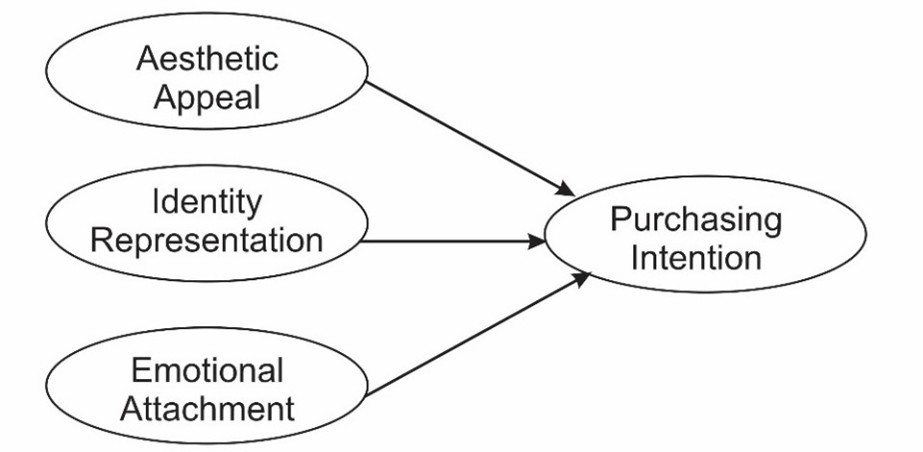
Figure 2. Aesthetic-Identity model framework (Researchers' own construct, 2024)
Figure 2 presents the conceptual framework developed based on the models reviewed. The following hypotheses were formulated using this framework.
H1- Aesthetic appeal positively influences the acceptance of new Kente designs
H2
- Identity representation through Kente positively influences the acceptance of new Kente designs
H3-
Emotional attachment to Kente positively influences the acceptance of new Kente designs
2 | METHODOLOGY
Research design: This quantitative research employed a cross-sectional survey design to examine the relationship between multiple constructs (aesthetic appeal, cultural identity, and emotional attachment) and consumer purchase intentions. This design was chosen because it allows the use of statistical techniques such as regression analysis to test theoretical models and hypotheses on a large sample (Leedy & Ormrod, 2015).
Sample and sampling approach: The study targeted Ghanaian consumers, precisely Akans who are above the age of 18 years, who have had prior exposure to Kente fabrics. Using the Convenience sampling technique, participants were recruited through an online platform. A total of 436 respondents participated in the study; however, 28 were not Akan, so the data were removed, leaving 408. While this is a non-probability sampling technique, it offers broad representation for this survey. Moreover, convenience sampling is widely known for its use in consumer perception studies (Hair et al, 2019). To ensure statistical reliability in multiple regression analysis, Hair et al. (2019) propose that there should be at least 15-20 respondents per predictor variable. Also, Asiamah et al (2017) that larger sample sizes help to increase the accuracy of estimates and also reduce the standard error during analysis.
Instrumentation:A structured questionnaire was developed, consisting of closed-ended questions with a 5-point Likert-type scale. The questionnaire was divided into sections to measure the following constructs:
- Aesthetic Appeal (5 items): The items were adapted from Yu et al. (2018) and Niinimäki (2010). They focused on design, colour, pattern, and texture perception.
- Cultural Identity (10 items): The items were derived from Social Identity Theory (Tajfel & Turner, 1979) and modified to reflect the symbolic meaning of Kente in the Akan society (Armah et al., 2023; Quick, 2022).
- Emotional Attachment (7 items): These items were based on Emotional Attachment Theory (Thomson, MacInnis & Park, 2005) and they measured the pride-based responses to Kente.
- Purchase Intention (6 items): The questions were adapted from Mirabi et al. (2015) and Shah et al. (2012). They focus on consumers’ willingness to buy, recommend, and remain loyal to innovative Kente designs.
The questionnaires were pre-tested with 30 participants, and necessary revisions were made to the instrument for clarity and cultural appropriateness.
Data collection procedure and ethical considerations: Data were collected over a period of ten weeks (July-September 2024). We distributed the questionnaires online using Google Forms. This web-based survey tool was used due to its numerous advantages. It is a versatile and cost-effective way of gathering information. Also, data is received at a fast pace, and it is far-reaching (Maymone et al., 2018). The study was voluntary; hence, participants were asked to tick an approval box before accessing the questionnaire (Mapp, 2008). Participants were informed of their right to withdraw from the study at any point.
Data analyses: The data received were analysed using the SPSS v22 software. The data was analysed through descriptive statistics (means and standard deviations) and regression. The descriptive statistics were done with the aim of understanding the perceptions of respondents across the variables. Simple and multiple linear regression analyses were also done to test the influence of the constructs on purchase intentions. Also, reliability analyses were done using Cronbach’s Alpha to ensure internal consistency. The assumptions of linearity, normality and multicollinearity were also checked to validate the suitability of the regression approach.
3 | RESULTS AND DISCUSSION
3.1 | Demographic information of respondents
The total respondents for the study were made up of 408 where 120 (29.4%) were males and 288 (70.6%) were females. The age of the respondents was also assessed, and the highest number of respondents based on this category was between 18-30 years (59.6%), 41- 50 years (22.8%) were the second highest, and respondents above 60 years were also rated 2.2%. A total of 78.2% indicated that they owned at least one Kente fabric, indicating that the majority of the respondents have had a personal encounter with Kente. A crosstabulation analysis revealed that Kente cloth ownership increases with age. Only 42.0% of respondents aged 18-30 years reported owning at least a Kente cloth. However, ownership rates were remarkably higher among older respondents: 68.8%, 67.7%, 80.0% and 100% owned at least one Kente cloth for ages 31-40 years, 51-60 years, and above 60 years, respectively.
3.2 | Reliability and Validity of Constructs
According to Cohen et al. (2018), it is important to ensure there is reliability and validity of the data, especially quantitative. Validity looks at the degree of measurement of the materials while reliability talks about the consistency of the data obtained. A reliability test was conducted (Cronbach Alpha) to determine the variables’ reliability. The results from the Cronbach Alpha indicated 88.2% (0.882), 95.3% (0.953) and 89.5% (0.895) for the variables in the aesthetic appeal, emotional attachment and cultural identity variables, respectively (Table 1). This indicates that there is a high relationship between the variables. Generally, above 0.70 in Cronbach's Alpha value is considered acceptable, whereas values above 0.80 indicate good reliability and values above 0.90 suggest excellent reliability (Bujang et al., 2018; Sharma, 2016; Taber, 2018).
Table 1. Reliability statistics of variables
3.3 |
Descriptive and regression analysis
3.3.1| Objective 1: To investigate how aesthetic appeal impacts the adoption of innovative Kente designs.
The Descriptive analysis for objective 1 (Table 2, see Appendix) indicates that the respondents showed a great appreciation for the aesthetic characteristics of the new Kente designs. With a Mean of 4.24 and a Standard Deviation score of 0.97, the respondents thought that the colours of the Kente cloths were very nice. The patterns in the Kente were also found to be visually appealing by the respondents (Mean = 4.12, SD = 0.86). Additionally, with a Mean value of 4.15 and SD of 0.86, the respondents perceived the texture to be of high quality, and they reasoned that the overall design elements of the cloth were pleasing (Mean = 4.19, SD = 0.83). The respondents once again appreciated the artistic quality of the cloth (Mean = 4.10, SD = 0.83). The linear regression results (Tables 3 and 4, see Appendix) reveal that aesthetic appeal is a predictor of purchase intention with a significant predictive value (R = 0.759, R² = 0.576, p < 0.001). Its beta was 0.759, indicating a positive and strong correlation. This means the aesthetic of Kente fabrics alone would explain 57.6% of the variance on purchase intention. The findings show that aesthetic attributes, notably colour, pattern and artistic value, strongly influence consumers' intentions to adopt new Kente designs. The above is yet another example of harnessing the power of sensation & aesthetics in product innovation.
3.3.2| Objective 2: To examine the role of cultural identity in shaping consumer attitudes toward innovative Kente
The Descriptive Analysis for objective 2 as indicated in Table 5 (see Appendix) displays that Kente was seen as representing the Akan cultural heritage (Mean = 4.29, SD = 0.88). Again, with a Mean value of 4.25 and SD of 0.88, respondents perceived it as an important symbol of cultural identity. Additionally, the respondents believed that wearing Kente connected them to their community (Mean = 4.09, SD = 0.88). The responses for opinions of social groups ranged from moderate to high means (3.13 to 3.95). This indicates a high variability in how people perceive the influence of social groups on the acceptance of Kente. Cultural identity had an influence on purchase intention as well, and rather the impact was also not very strong (R = 0.618, R² = 0.382, p < 0.001)(regression in Table 6 and Table 7- see Appendix). The beta standardise coefficient of 0.618 indicated that cultural identity significantly enhanced buying intention and explained 38.2% of concerns(intent). In line with Social Identity Theory, which highlights the importance of group identification and identity to this process (Martiny and Rubin, 2016), there is a possible bias to attend for articles that confirm an existing opinion. Social circles (family and friends), though a secondary motivator, still have their influence, albeit weak in comparison with cultural heritage and symbolism. This insight suggests that Kente producers could be more successful if they included significant cultural meanings in their designs and used them as a part of their promotional tactics with social validators.
3.3.3| Objective 3: To evaluate the emotional attachment of Akan consumers to Kente fabrics and its influence on purchasing decisions
Descriptive statistics for emotional attachment are provided in Table 8 (Appendix). The results showed significant emotional connections to the Kente fabrics, which were confirmed by the uniform high means of over 3.8. The statement with the highest mean score, “When I see these Kente cloths, it makes me proud” (Mean = 4.11, SD: 0.804) indicates that respondents are very emotionally and culturally proud. Furthermore, the mean item score was found to be 4.04 (SD = 0.859) for “I feel happy whenever I see these Kente cloths”. "The emotional response I have to the Kente cloths makes me see them as valuable", with a mean of 4.04 and SD of 0.777), suggesting that individuals make value judgments based on how they feel about an object. A mean score of 4.07 and SD of 0.797 from the item “I am likely to buy these Kente cloths because of their beautiful design” suggest aesthetics play a key role in influencing buying behaviour. Additionally, the scores from “The cultural significance of these Kente cloths makes me want to purchase some” (Mean = 3.96, SD = 0.809) and “Looking at these Kente cloths makes me feel proud” (Mean = 4.11) suggest that purchasing decisions are also influenced by cultural connection. With a Mean of 3.89 and SD of 0.864 for the item “The emotional connection I have with these Kente cloths will motivate me to buy” and Mean value of 3.86 and SD of 0.805 for the item “The high value I place on these Kente cloths makes me intend to purchase some”, emotional connection was came up as a strong influencer of buying behaviour. The Linear Regression analysis indicated a very strong relationship (R = 0.862, R² = 0.743, p < 0.001) between emotional attachment and purchasing intention (Tables 9 and 10, see Appendix). The standardised beta coefficient was 0.862, confirming that emotional attachment explained 74.3% of the variance in purchase intention. This result strongly supports the Emotional Attachment Theory, which suggests that deep emotional connections to a product increase its perceived value and motivate purchasing behaviour (Boateng, 2018). Feelings of pride, joy, and emotional worth significantly influence consumer actions.
3.3.4| The combined effect of aesthetic appeal, cultural identity and emotional attachment on acceptance of Kente cloths
The model (Table 11, see Appendix) generated an R of 0.872, suggesting a strong positive association between emotional attachment, aesthetic appeal, and cultural identity (predictors) and purchase intention or acceptance. The coefficient of determination (R²) was 0.761, indicating that 76.1% of the variance in purchasing intention was explained by the combined effect of the three predictors. The Adjusted R² was also high at 0.754, even after adjusting the number of variables, so the model is robust, which indicates that the general model is a good explanation of the behaviour of consumers concerning Kente cloth. The data in Table 12 (see Appendix) reveal that, of all three predictors, emotional attachment was the strongest (β = 0.685, p < 0.001), indicating that when consumers become emotionally connected to the Kente design, they are more likely to accept it and make a purchase. Aesthetic appeal also exerted a strong effect (β = 0.213, p = 0.004), suggesting that consumers consider the physical appearance of Kente cloths before purchasing them. However, cultural identity was not significantly associated within the combined model (β = 0.015, p = 0.813). Consequently, this result demonstrates that potential users are aware of Kente’s cultural relevance, but emotional connections and the visual appeal of Kente have a much greater influence on their purchasing behaviour. Multicollinearity was absent, as all VIF values were below 5. This indicates that these variables independently contribute to the explanation of purchase intention
3.4 | Hypothesis testing
The multiple Regression Analysis, used to statistically identify the joint and individual contributions of aesthetic appeal, cultural identity, and emotional attachment to consumers’ intention to adopt new Kente designs, is depicted in Table 13. With a p-value of <.001 and an F-value of 124.903, the overall model was significant. The variables explained 76.1% of the variance in purchase intention (R² = 0.761). Moreover, the model's reliability and strength were high, with an Adjusted R² value of 0.754. This is significant in explaining the outcome variable.
Table 13. Hypothesis testing
These findings empirically supported Hypothesis 1, which suggested that design aesthetic positively predicted acceptance of new Kente designs, leading to purchase. Aesthetic appeal had a statistically significant effect on purchase intention (β= = 0.213, p = 0.004), indicating that consumers highly valued the visual aspects of Kente fabric (colour, pattern, and overall design). Likewise, Hypothesis 3, which hypothesised that emotional attachment to Kente would have a positive effect on consumer acceptance and thereby lead to purchase intentions, was also highly supported. In the model, emotional attachment was the strongest predictor (β = 0.685, p < 0.001). In contrast, Hypothesis 2, which posited that cultural representation would lead to a positive impact on acceptance, was not supported. Cultural identity was not statistically significantly related to purchase intention (β=0.015, p=0.813). Although participants may be aware of the symbolic and cultural relevance of Kente, this knowledge does not seem to inform purchase intention when it is tested in the same model as alternative drivers of purchase intention, especially emotional attachment and aesthetic appeal. The impact of age and gender on acceptance was also tested using regression. It was found that gender had no predictive power on purchase intention (R=0.020, R
2=-0.000, β=-0.028, p=0.388). This means that both males and females respond in a similar way to the aesthetic, emotional, and cultural dimensions of innovative Kente. Conversely, age had a negative beta coefficient (β=-0.095, p=0.003), suggesting that as age increases, purchase intentions decrease slightly.
4 | DISCUSSION
The study uncovers a complex relationship between aesthetic appeal, cultural representation and emotional attachment in driving consumer adoption of new Kente designs. The results provide powerful support for the synthesis of Aesthetic Response Theory, Social Identity Theory and Emotional Attachment Theory. We found support for our first hypothesis, which stated that aesthetic appeal would impact acceptance and subsequently reflect purchase intention (Hypothesis 1). Visual elements such as colour, pattern and design have the most notable impact on consumer intent. This is in line with the findings of Yu et al. (2018) and Zhang et al. (2021) which state that product aesthetics is positively associated with consumer behaviour. This suggests that weavers of Kente can seek ways to innovate with bold designs as long as they remain culturally accepted in order to maintain design sustainability. On the policy front, this requires investment in design education and digital prototyping for weavers to maintain competitiveness in modern markets. However, in the case of Hypothesis 2, even though the descriptive results indicate that cultural identity scored high on mean ratings in the multiple regression analysis, it failed to be a significant predictor of acceptance and purchase intention. While Kente may continue to maintain its brand as a cultural symbol, in particular amongst Asante (Armah et al., 2023; Kwakye-Opong, 2014), the identity-marker value propositions alone have not enough potency to drive consumption with due consideration of emotional and aesthetic elements. This is telling insight that consumers place more value on their affections and sensual pleasures than Kente's cultural significance. And that it must be reappropriated in the cultural messaging. So, the marketing strategies should evolve beyond the symbolic heritage and build narratives that construct emotional bridges between the consumer and the product. In recent markets, especially for younger and urban recipients, the emotional availability or the extravagant visual appeal of the product most likely outweighs the old cultural-mythological factors. It is a broader reflection of fashion’s recent shifts in which emotion and image often overshadow legacy and lineage.
Hypothesis 3, focusing on emotional attachment’s power to drive acceptance of innovative Kente designs, became the strongest predictor of purchase intention. This insight has important implications for branding. Marketing campaigns must revolve around storytelling, emotional narratives, user experiences and personalisation. Policy-level implications include initiatives that empower artisans to articulate the cultural and emotional aspects of their craft, deepening the significance of the local Kente weaving economy, as well as the cultural legacy that accompanies it. The attraction to bold and affective Kente designs indicates a continuing hybridisation of tradition and innovation. The incorporation of new materials and techniques of embroidery, synthetic pastes, and modern colour palettes does not diminish Kente’s identity but expands its expressive possibilities. The cloth remains strong in both emotional and symbolic weight even as the form and process evolve. This aligns with the Aesthetic Response Theory (Fenner, 2008; Winner, 2019), which stipulates that a work of art is relevant for its beauty. The results further illustrate that Social Identity Theory might play a role in explicating how group membership affects consumer attitudes, although not necessarily behaviour. Age was statistically significant in the acceptance of innovative Kente designs. The older people are, the less they like Kente innovations. The propensity is due to the overarching reason that younger consumers are more open to using what may still be an emerging category than their elders. To the older population, these may seem to be watered-down versions of the cultural item meant to replace authenticity and traditional weaving styles. At the same time, some younger individuals might think that aesthetic innovations in Kente are remarkable. This is in keeping with work from Zhang et al. (2021) and Yu et al. (2018), who argue that youth are receptive to cultural innovations by definition. In summary, consumer adoption of innovative Kente designs can best be understood as an emotional-aesthetic synthesis in which cultural identity provides the context. Still, emotional engagement and visual appeal are the principal drivers. This puts the Kente industry in a unique position where tradition is not discarded but transformed through innovation.5 | LIMITATIONS AND FUTURE RESEARCH
Data for the study were collected and analysed quantitatively. Future studies can consider assessing the respondents through qualitative means to uncover deeper motivations around why cultural identity does not significantly impact Kente’s purchase intentions. Future research can use the model to cover other parts of Ghana to assess how customers are reacting to innovations introduced into traditional fabric production practices.
6 | CONCLUSION AND FUTURE STUDIES
The study aimed to examine the adoption of new Kente designs by Akan consumers in Ghana using an integrated Aesthetic-Identity Model. Using Aesthetic Response Theory, Social Identity Theory, and Emotional Attachment Theory, the results reveal that cultural identity is significant in interpreting Kente, but it is not the strongest predictive factor of purchase intention. Instead, emotional attachment and aesthetic appeal became the best predictors of consumer behaviour. The results revealed that Kente fabrics with heavy, dark colours and impressive designs positively influence on consumer choice. However, emotional attachment is the most powerful determinant for most adoption choices. Kente should strike such emotional connections that consumers infiltrate their own personal memories with feelings of cultural pride and self-identity. This underscores that the affective is critical to modulating present-day fashion attitudes with respect to Kente. The high mean awarded to cultural identity was contradicted by the regression results, confirming that Kente had opened up a bit more in this population; aesthetics and emotions count for a lot more than mere symbolism of ancestry. This further makes the process for anyone trying to do some type of retracing or rethinking of cultural narratives urgent; particularly in this case, we can say visual stories because there is more that you know as tradition than meets a particular style. Overall, the research suggests that Kente innovations can only propagate and convince consumers if the nature of modern visuals is balanced with an emotional connection from storytelling to the individual. The persistent relevance of Kente in contemporary Ghana is not merely a matter of tradition, but also the capacity to grow and yet maintain an emotional connection.
7 | RECOMMENDATIONS
Since aesthetic appeal influences customers’ acceptance of innovative Kente designs, weavers should pay attention to the looks of their products. Weavers ought to invest in visual innovations which focus on pattern evolution, new colour schemes, and high-quality finishing to strengthen the aesthetic appeal of Kente fabrics. Even though cultural identity was not a strong pr