



1 | INTRODUCTION
Education, especially skills-based training, is vital for effective Human resources and advanced personnel development
(Ouandji, 2014) in any economy. This skills-based training which is captured as Training in technical and vocational education (TVET), has been the foremost developmental drive in the industrial and technological advancement of majority of the Asian countries (Harris, 1996 as cited in
Ouandji, 2014). TVET aids trainees to acquire the relevant practical skills or know-how for employment in a particular occupation, international competitiveness and industry productivity
(Akoojee, 2011;
ILO, 2011).
Wahba (2012) cites two critical purposes of TVET in developing countries; career and training opportunities for school leavers, and the provision of skilled manpower for all levels of the economy. With these core essences, further research cites that most African countries are yet to exploit the full benefits it brings to socio-economic development. In a report by Africa Policy Review,
Twum (2019) states that some African countries allocate relatively small portions of their resources to TVET; Mali (11%), Togo (1%) and 3.7% to Ghana in the 2014 budget.
With such benefits from TVET in the National Vocational Training Institute (NVTI), research findings proved otherwise for most African countries. In a comparative study by Arfo (2015), his findings revealed that policy implementation for TVET in Ghana was extremely poor, which largely influenced the provision of skills training for learners. Other challenges such as poor public reception for the sector, poor governance and inadequate qualified personnel were identified as the drawbacks influencing the full economic benefits. Earlier studies by Akhuemonkhan, Raimi and Dada (2014) establish that the ineffectiveness of TVET in Nigeria was limited to a lack of quality assurance at every level in the educational institutions. The right quality assurance ensures that the set quality standards are maintained, coupled with heightening the effectiveness of the educational system towards achieving these set standards (Onyesom and Ashibogwu, 2013). Akhuemonkhan et al. (2014) called for an effective policy retrospection to revamp TVET to vigorously encourage and improve the skill set or capacities of learners, even though most African Governments have ascribed to TVET in numerous poverty reduction strategy papers with the World Bank (African Union, 2007).
Most recent findings by Chisi (2017) state that the adaptation and implementation of quality assurance systems are limited and non-existent in most TVET institutions. Furthermore, a greater portion of the teaching staff are unqualified to provide the relevant training to learners and teachers, a phenomenon that has resulted in poor quality output. A news report by VTF Programme (2019) however states that industry players outlined that the over-concentration of the social sciences in the tertiary institutions with the neglect of TVET has greatly resulted in a high unemployment rate in Ghana. Furthermore, the rate of unemployment could be minimized if radical implementation and transformation of TVET were instituted as spelt out in the 2006 Government’s white paper. This would have produced skilled manpower for the industrial and technology drive of Ghana as was done by other countries like Malaysia.
According to the research on the necessity of an efficient TVET implementation in NTVI for Ghana's socioeconomic gains, it is necessary. Quality assurance and skill-based training are essential in the learning environment because they give policymakers a better grasp of vocational education's roles, objectives, and salient features. In light of the aforementioned, the purpose of this article is to gather empirical data from a quality assurance survey on a subset of TVET institutions (NVTI) in Ghana's Ashanti Region.
1.1 | Technical and Vocational Education Training (TVET) in Ghana
Ghana has created several strategies to address and modernise TVET, similar to the majority of Sub-Saharan African nations. The New Education Reform 2007 (NER), the draft Long Term Development Plan 2008–2015, the Private Sector Development Strategy 2010–2015 (PSD II), the revised Education Strategic Plan (ESP) 2010–2020, Ghana’s Poverty Reduction Strategies (GPRS I and II), the New Education Reform 2007 (NER), and the 2004 TVET Policy Framework—which resulted in the passage of Act 718 and the subsequent creation of the Council for TVET in 2006—all reflect this. The primary goals of these policies and initiatives, as well as the Council's formation, are to support Technical Vocational Skills Development (TVSD) in Ghana and direct or optimise the TVET system.
The Council for Technical and Vocational Education and Training (COTVET), which was founded by an Act of Parliament in Ghana, would be in charge of the nation's total skill development. National Qualification Frameworks have been formed in several countries to bring the heterogeneous TVET system together. According to
Baffour-Awuah and Thompson (2011), the Council for Technical and Vocational Education and Training (COTVET) was created by an Act of Parliament (Act 718) to oversee and coordinate all facets of Technical and Vocational Education and Training (TVET) and to develop national policies for the formation of skills in the formal, informal, pre-tertiary, and tertiary sectors. In carrying out its mandate, the Council aims to supervise a TVET system that, via demand-driven and quality-oriented learning, creates a workforce that is competitive worldwide for the advancement of the country. Despite being a Ministry of Education (MOE) agency, the Council manages and coordinates formal Technical and Vocational Skills Development (TVSD) across nine (9) Government Ministries and other private formal and informal TVET providers, such as non-profit and private for-profit institutions, non-governmental organisations, and informal apprenticeships
(Baffour-Awuah and Thompson, 2011).
1.2 | Quality assurance in TVET
The goal of quality assurance (QA) is to make sure that established standards and attributes are upheld by critically analysing the goals, attitudes, practices, and institutional control mechanisms. According to performance measures created by the authorities for evaluating the performance of educational institutions, these established procedures, processes, and standard systems in education support and ensure the effective delivery of educational services (Kontio, 2012). This ensures that the learning outcomes meet the needs of each society (Onyesom and Ashibogwu, 2013). As a reliable instrument for policy restructurings, QA enables decision-makers to identify the country's educational requirements, evaluate novel methods of problem-solving, and gauge the success of plans and policies. It follows that an active QA has to highlight important factors including funding, TVET quality, and relevance (King, 2011). These may be quantified using efficient monitoring and assessment of its funding, supply, and demand components (IIEP, King, & Palmer, 2010; King, 2011). an approach to guaranteeing accountability and quality (Harvey and Newton, 2007). Australia established the Australian Universities Quality Agency (AUQA), a comprehensive QA unit, to ensure operational quality control of educational services at tertiary institutions (Mohsin and Kamal, 2012). To achieve the required quality results, effective monitoring and assessment are essential. These recurring evaluations show how well the stated or predetermined goals were carried out (Necesito, Santos & Fulgar, 2010). To monitor the shortcomings and successes, the teaching and learning methods, performance, and TVET personnel qualifications are also evaluated and monitored. Future policy implementation, which aims to fill up all the holes found by strict monitoring and assessment mechanisms, depends on this. To make sure that the availability of resources and tools affects the calibre of learning results, teaching and learning environments are then evaluated for enhancements (World Bank, 2018).
Supporting the earlier mentioned statements, different scholars have argued the significance of quality assurance. Notably amongst these are school governance, auditing of standards and qualifications, and effective supervision which influences teaching and learning approaches or methods for requisite knowledge acquisition (Harvey and Newton, 2007; African Union, 2007; Yakubu, 2003). This implies that the quality of TVET is assured when important quality assurance indicators are met to produce the best-skilled manpower to compete in the domestic and international markets.
2 | METHODOLOGY
The study employed the quantitative research method to gather and analyse data obtained from the participants. Herein, numerical data is collected and analysed to describe variables which answers key research questions for a study, using analysis techniques such as descriptive statistics or inferential statistics (Rana et al. 2021) and survey as its widely used method of inquiry from the whole population or a sample (Creswell, 2009). In the context of this study, the population is four National Vocational Training Institutes (NVTIs) in the Ashanti Region of Ghana. Kumasi Vocational Training Institute, Ramseyer Girls Vocational Institute, Kumawuman Institute of Skills Training, and Heman Buoho Vocational Training Institute were purposively selected as the study’s population. This approach was chosen to ensure that the institutions selected represent the region’s diverse training environments.In this survey study, a structured questionnaire with closed-ended questions was administered face-to-face, to gather and collect data from 150 respondents, including NVTI teachers, students, parents, and other stakeholders. A five-point Likert scale of strongly agree to strongly disagree was used to gather information on five key sections of acquiring the required knowledge and skills, the content of the current curriculum, periodic monitoring and evaluation, factors hindering quality assurance and measures to enhance quality assurance in TVET. The structured questions took approximately 5-10 mins to complete by the respondents. The Statistical Package for Social Sciences (SPSS) software was used to analyse the data descriptively and the findings were presented in frequencies, percentages, and graphical form where appropriate.
Subsequently, the study was guided by the ethical considerations of keeping the anonymity of the responses from participants. They were appropriately informed about the purpose of the study and that their responses would be kept confidential for academic purposes only without any victimisation. They were further informed that they could withdraw from answering the questions should they feel uncomfortable.
3 | RESULTS AND DISCUSSION
In this section, appropriate descriptive statistics are outlined, coupled with a discussion of the findings from the field survey in the four (4) selected NVTIs.
3.1 | Acquisition of Requisite Knowledge and Skills based on Teaching and Learning Approaches
From the responses gathered (Figure 1) on students gaining the requisite knowledge and skills in the schools, 8 (6%) of the respondents strongly agreed coupled with 27(19%) respondents who agreed, and 67 respondents representing 47% were not sure if students are gaining the requisite knowledge and skills. 38 (26%) and 3 (2%) of respondents, however, disagree and strongly disagree respectively to students gaining the appropriate knowledge and skills in NVTIs hence affecting the quality standards and output. This concords with Pongo et al. (2014) that the acquisition of the requisite knowledge and skills has not been fully attained to influence the economic drive of Ghana.
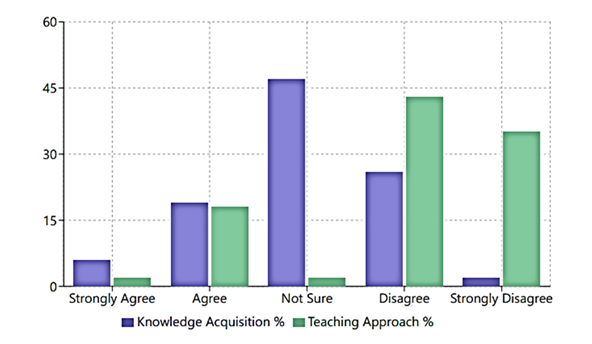
Figure 1.
Acquisition of Requisite Knowledge and Skills as against Teaching and Learning Approaches
(Source: Field Data, 2018)
Such limitations dovetail into the teaching and learning approaches adapted by these educational institutions (NVTIs). A greater portion of the respondents attributed that they disagree (43%) and strongly disagree (35%) to the fact that the teaching and learning approach adapted helped in quality education. This affirms Arfo (2015) findings that inadequate teaching and learning facilities affect the provision of skills training to learners, subsequently affecting output. Contrary to this, 18% and 2% of respondents agree and strongly agree respectively that the teaching and learning approach helps in the quality delivery of education as compared to 2% of respondents who were not sure if the approaches influenced quality education. This data further implies that the learning and examination outcomes of students are affected.
3.2 | Current Curriculum Content Influencing Knowledge Acquisition
A revision of the content of any educational curriculum is geared towards adapting a new approach in the teaching methodologies to provide the requisite knowledge for the learner. This is however contrary to the data obtained from the field (Figure 2) which points that current curriculum content does not deliver the requisite practical know-how (5% strongly disagree, 32% disagree) as compared to a relatively small percentage of the respondents (4% strongly agree, 16% agree) who attest that the requisite practical skills are achieved with this current curriculum content. 43% of the respondents, however, were not sure if the current curriculum content had any influence on knowledge delivery.
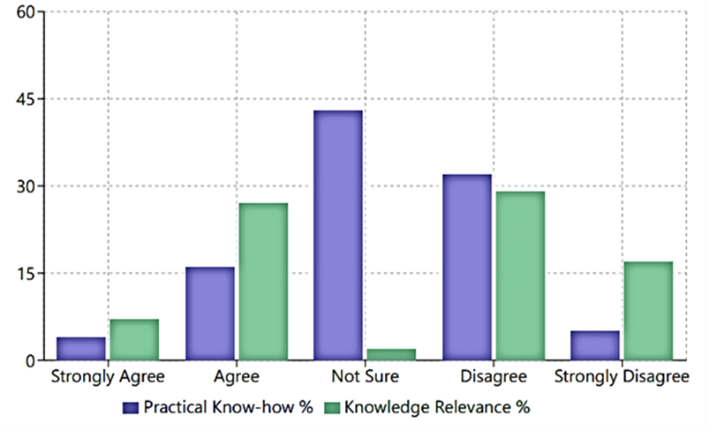
Figure 2.
Current Curriculum Content versus Acquisition of Relevant Knowledge
(Source: Field Data, 2018)
These findings imply that the delivery of the appropriate knowledge to learners is limited where 46% disagree (29% disagree, 17% strongly disagree) in Figure 4 to the fact that knowledge gained is not relevant for societal and industrial needs as compared to 34% who agree (7% strongly agree, 27% agree) and 2% who are not sure. Therefore, quality indicators in relation to curriculum content in TVET are not fully endowed which undoubtedly affects knowledge acquisition.
3.3 | Periodic Monitoring and Evaluation
Monitoring aids in tracking (Alkin, 2004) continual changes in a policy or organization over a period of time. This sought to ensure accountability, effective future planning, and to measure the performance level of teaching and non-teaching staff (Miller, 2017). With such relevance, it is worth noting that periodic monitoring and evaluation is not conducted at NVTI, which concords with 68% of respondents (consisting of 48% who disagree and 20% who strongly disagree). This phenomenon largely affects the tracking of curriculum policies, teaching and learning methodologies and staff competencies and resources for effective reforms in the future. A small portion of about 20% of respondents (Figure 3) (comprising 3% strongly agree and 17% agree) that periodic monitoring and evaluation are carried out as compared to 12% of respondents who are sure.
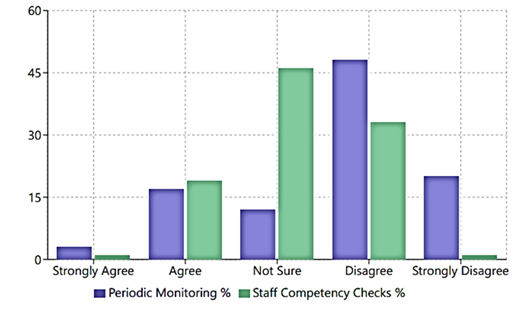
Figure 3. Periodic Monitoring and Evaluation versus the Competencies of Instructors
(Source: Field Data, 2018)
As mentioned earlier, not conducting regular monitoring could affect the tracking and examination of staff competencies (Figure 3) of which 34% of the respondents (33% disagree, 1% strongly disagree) established that there is no periodic checking of the teaching staff. 20% of the respondents (19% agree, 1% strongly agree) however opined that periodic checks are conducted on the competencies of staff instructors, while 46% of respondents are not sure.
3.4 | Factors Hindering Quality Assurance in TVET at NVTIs
The Council for Technical and Vocational Education and Training was instituted to ensure the practices, knowledge and qualifications of TVET are at equilibrium with national and international standards or criteria. With such purpose, certain challenges are however limiting the full realization of TVET for the economic growth of Ghana. Research studies by
Ouandji (2014) and
Arfo (2015) cite a bulk of challenges affecting the quality outcomes of TVET; uncertified schools, poor governance, inadequate teaching and learning facilities, poor public reception, inadequate funding sources and qualified personnel. These factors were identified for most African countries such as Ghana, South Africa and Nigeria
(Arfo, 2015). Field data, however, concords with earlier studies on challenges limiting quality assurance of TVET.
3.4.1 | Inadequate Funding
Resources and fund allocation for conferences and workshops are vital to improving the delivery of quality education to learners. Even though the TVET policy recommended different funding sources, notable amongst them are from the Government, development partners and private, according to a report by the
Commission for Technical and Vocational Education and Training (CTVET) (2021), funds are insufficient to meet the resource needs of TVET in Ghana. Data on responses from participants (Figure 4) proved that inadequate funding of TVET is a foremost challenge with 34% of participants who strongly agree and 55% of respondents agreeing. Furthermore, 2% and 3% of respondents disagree and strongly disagree respectively to the fact that funding allocation is inadequate while 6% of the respondents were not sure.
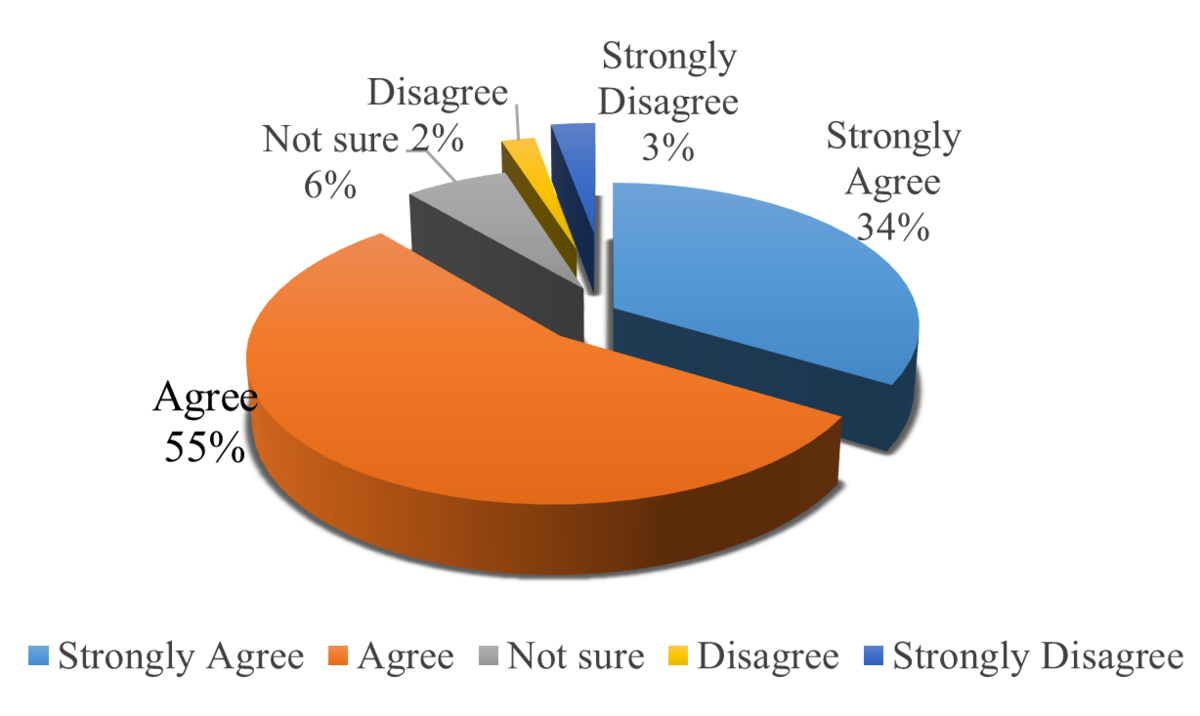
Figure 4. Inadequate Funding for TVET (Source: Field Data, 2018)
More than 80% of the respondents agree and strongly agree that inadequate funding is a factor hindering the quality, instructional and skills growth of TVET, which subsequently leads to cost constraints (Akyeampong, 2010). This, however, affects the development of facilities and supply of instructional materials or resources such as workshop tools, which have an extremely influential impact on the quality of TVET. From the field data gathered, 91% of the respondents stated a shortage of instructional resources for effective teaching and learning, thereby hindering the quality outcomes of TVET for the industrial sector (Baffour-Awuah and Thompson, 2011).
3.4.2 | Unclear Governance Structure
Appropriate Governance structures are relevant to ensuring policies are well implemented for the smooth operation of the sections or departments in the institutions. Field data stipulated an unclear governance structure with 40% (34% agree, 6% strongly agree) of respondents attesting to the fact, 50% of respondents not sure and 10% (9% disagree, 1% strongly disagree) of the respondents having a varied opinion. These unclear governance structures encompass placing COTVET under the Ministry of Education, which limits their neutrality and their development or regulation of certificates of TVET because there are different tertiary institutions with varying qualifications standards backed by their Acts.
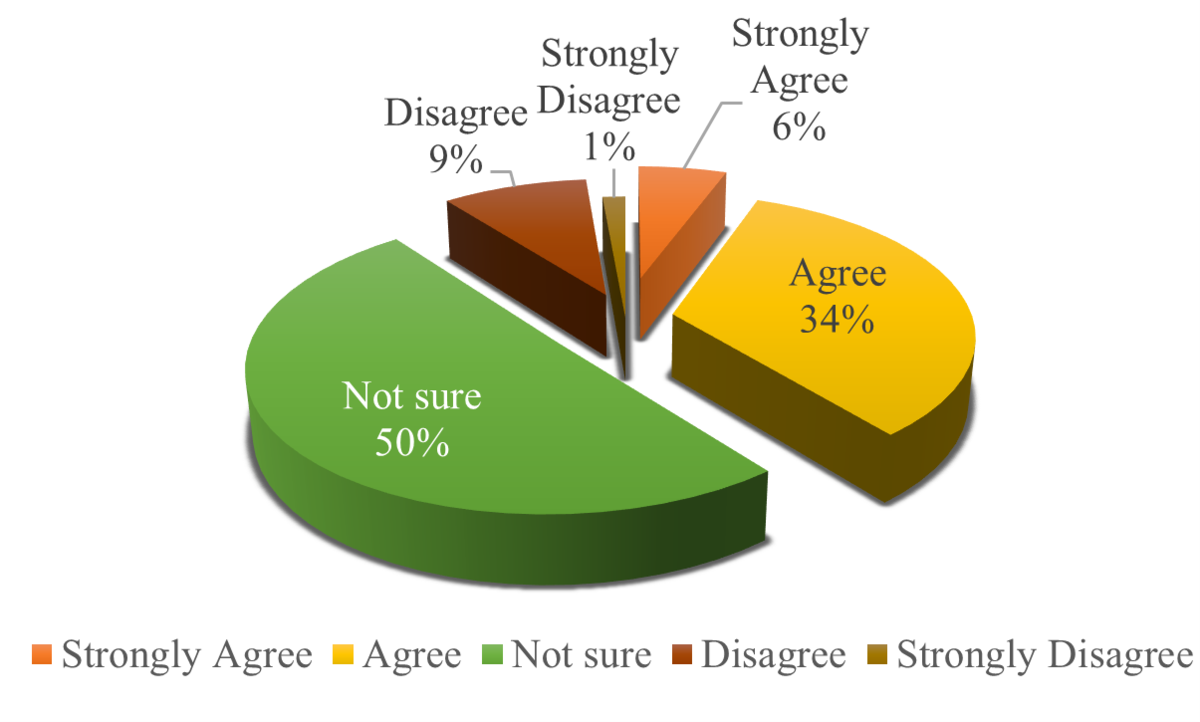
Figure 5. Unclear Governance Structure (Source: Field Data, 2018)
3.4.3 | Poor Perception
In Figure 6, 90% of respondents (33 % strongly agree, 57% agree) opined that the negative and poor perception of TVET by the public was greatly affecting its student enrollment and the attraction of more qualified personnel. This supports
Arfo (2015) findings that TVET is the preserve of the academically weak students and drop-outs. This analysis further confirms a report by
Aryeetey, Doh and Andoh (2011), of a wrongly held perception of TVET, and justifiably, this disadvantaged perception is hindering TVET delivery and outcomes. Furthermore, 8% of respondents (6% disagree, 2% strongly disagree) however, had a contrary view.
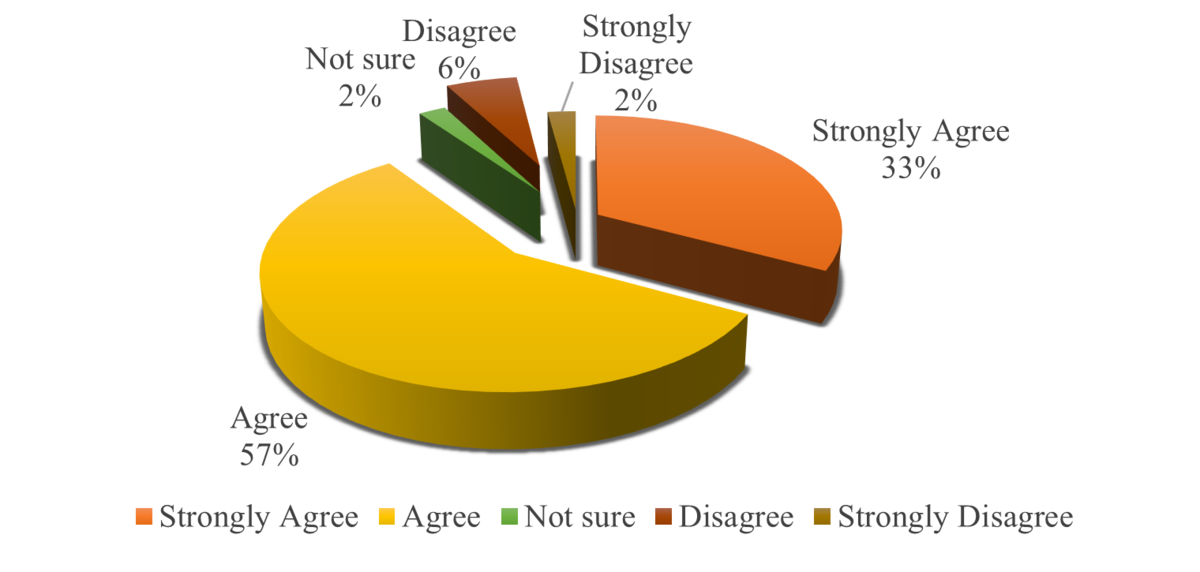
Figure 6. Poor Perception about TVET (Source: Field Data, 2018)
3.4.4 | Irregular Competency-Based Training (CBT)
From the responses in Figure 7, 40 respondents representing 28% strongly agree, and 43 participants representing 30% agree that there is irregular competency-based training for teaching staff which could eventually influence teaching outcomes or quality. 12% of respondents (8% disagree, 4% strongly disagree) however had a contrary view as compared to 29% of respondents who were not sure.
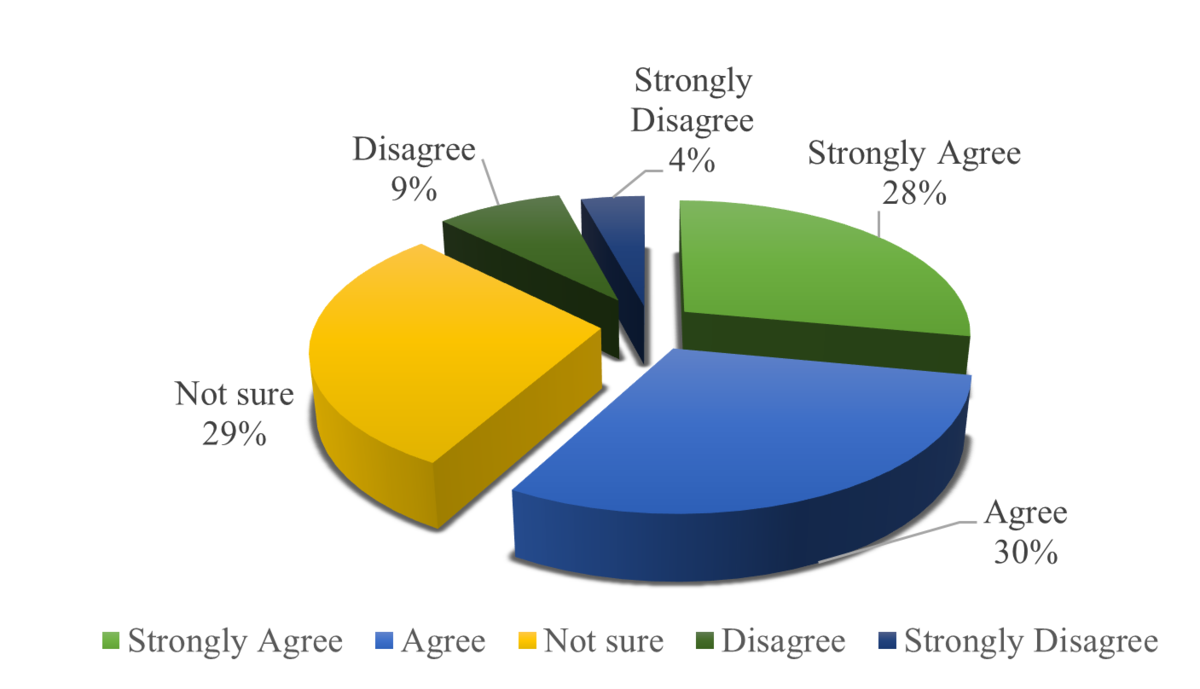
Figure 7. Irregular Competency Based Training (Source: Field Data, 2018)
This data denotes that competency-based training programs are inconsistent for TVET programme partakers since a greater fraction of the respondents strongly agree and agree to irregular competency-based training. This illustrates that, although Baffour-Awuah and Thompson (2011) argued that COTVET has made increased efforts to improve Teachers/Facilitators for Competency Based Training (CBT) in Ghana’s TVET, but this is yet to see the light of day.
3.4.5 | Inability of Graduates to meet Employers' Expectation
From the responses (Figure 8), 14 participants, or 10%, said that they strongly agreed, 69 participants, or 48%, agreed, while 36 participants, or 25%, were unsure if graduates met employers' standards. The implication here is that there is the inability of TVET graduates to meet employer’s expectations, since almost half of the fraction of respondents agree in addition, quite a few respondents strongly agree, while about a quarter percent of respondents were not sure, and only a lesser part of respondents strongly disagree and disagree. This supports Omede (2012) view that current TVET systems cannot meet the needs of the industry and the society where TVET products are not demand-driven (Baffour-Awuah and Thompson, 2011).
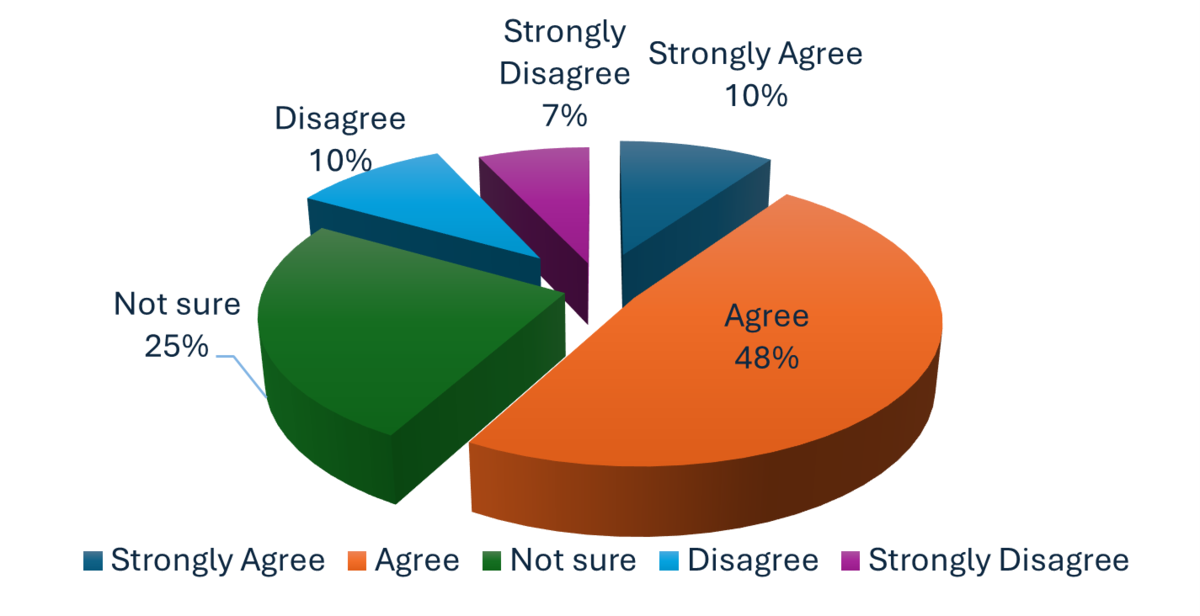
Figure 8. Inability of Graduates Meeting Employer's Expectations (Source: Field Data, 2018)
3.5 | Measures for Ensuring Quality Assurance in TVET
This section summarises and evaluates the replies about the essential steps required to improve Technical and Vocational Education and Training (TVET) quality assurance. Assuring that educational and training programs satisfy industry standards, correspond with labour market demands, and provide students with the necessary skills and abilities, quality assurance in TVET. The information that has been gathered from the respondents highlights major strategies, policies, and interventions to be adopted to improve the overall quality, effectiveness, and credibility of TVET programs. These include details regarding curriculum development, teacher qualifications, infrastructure development, industry partnership, assessment and certification processes, and regulatory requirements. The findings in this section are aimed at projecting a clear perception of the pragmatic steps to be taken to improve TVET quality assurance towards sustainable skill development and workforce readiness.
3.5.1 | Generation of More Funds
The generation of more funds is essential for the effective development of the quality of TVET. Data from the field proved the need for more funds with 90% of respondents (61% strongly agree, 29% agree) establishing the need for the generation of more funds for skills development, improved facilities, and provision of appropriate instructional materials amongst others. This affirms the suggestion from
Arfo (2015) findings for expecting the fund base for TVET. 6% of the respondents (4% disagree, 2% strongly disagree) however expressed that there is no need for more funds for TVET as compared to 5% of respondents not sure of whether exploring more funds would improve TVET quality.
3.5.2 | Availability of Standard Equipment and Facilities
The
use of standard equipment and facilities aids in transferring the appropriate practical know-how to the learner for the industry. This improves the quality of learners for the job market by using modern technology for production. With such benefits, it is not surprising that the majority of respondents in Figure 9, 85% (37% strongly agree, 48% agree) established the need for the provision of standard equipment and facilities to improve the quality of TVET which concords with
Baffour-Awuah and Thompson (2011). Furthermore, 11% of the respondents (8% disagree, 3% strongly disagree) expressed varied opinions and 4% of respondents were not sure.
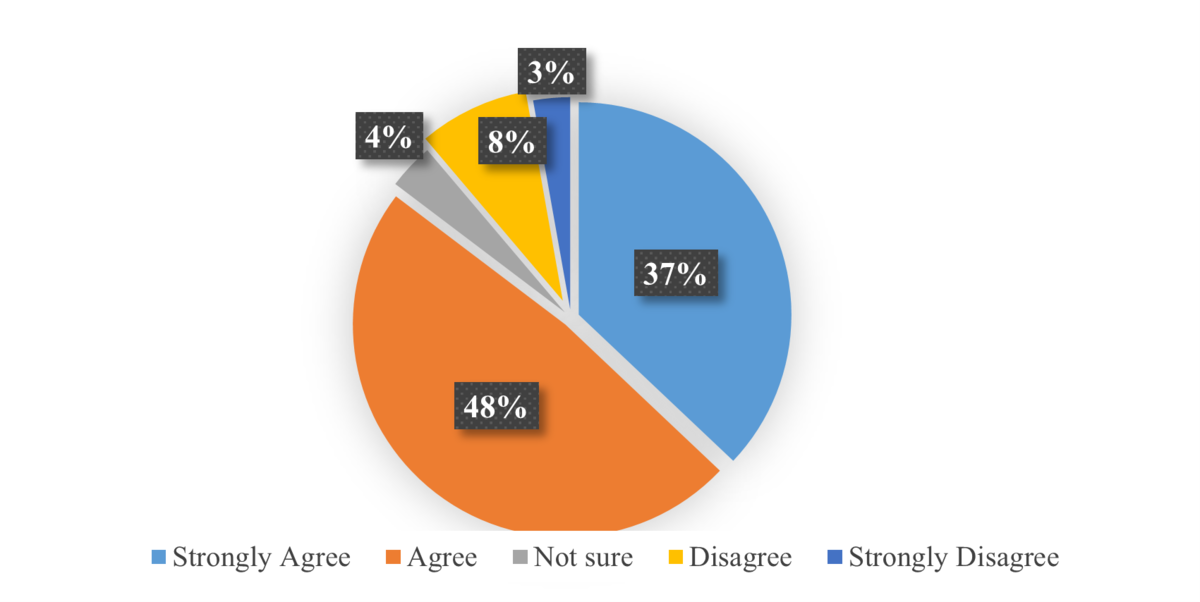
Figure 9. Availability of Standard Equipment and Facilities (Source: Field Data, 2018)
3.5.3 | Engaging Qualified Instructors
From the responses gathered (Figure 10), 95% of the respondents (44% strongly agree, 51% agree) established the need to engage qualified instructors to improve the teaching and learning outcomes for quality TVET. Supporting studies by the
African Union (2007) that the provision of quality TVET is anchored on the proficiency of its instructors. A small percentage of respondents (1% disagree,1% strongly disagree, and 2% not sure) however established varying views.
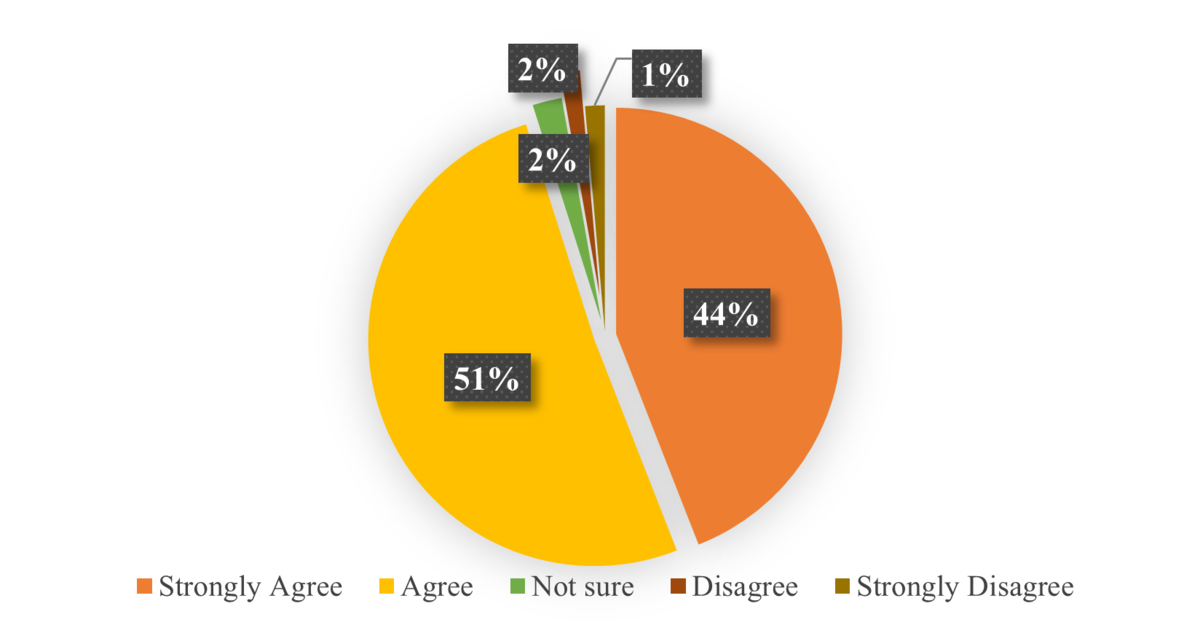
Figure 10. Engaging Qualified Instructors (Source: Field Data, 2018)
3.5.4 | Clear Governance Structure TVET
Responses (17% strongly agree, 37 % agree) called for a clear governance structure of TVET to improve quality due to the difficulty that comes with an unclear governance structure concerning certifications, operational control and monitoring as opined by
Arfo (2015). 20% of the respondents were not sure if a clear governance structure of TVET can improve quality. 23% and 3% of respondents disagree and strongly disagree with a clear governance structure as shown in Figure 11.
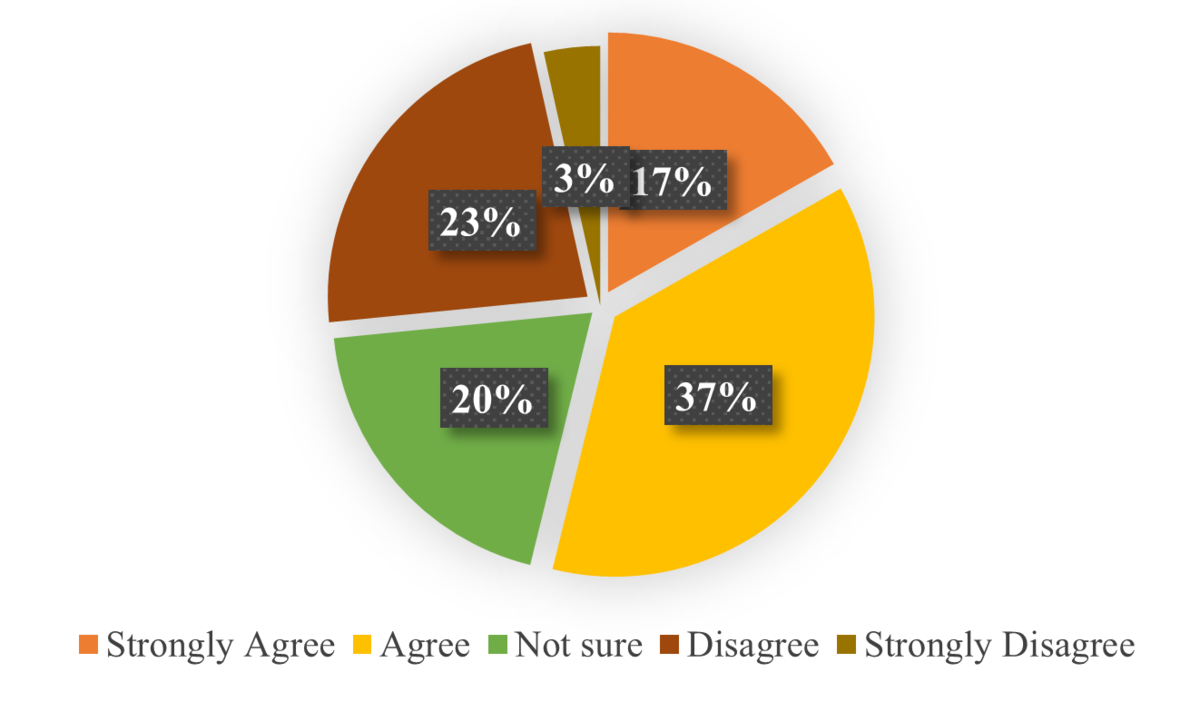
Figure 11. Clear Governance Structure TVET (Source: Field Data, 2018)
Comparatively, the affirmative respondents (strongly agree and agree) are only marginally higher than respondents who disagree and strongly disagree with the influence of a clear governance structure of TVET. This implies that a clear governance structure of TVET can influence to some extent the efficiency of TVET in the nation. Confirming the African Union (2007) statement that the delivery of quality TVET is closely linked to building strong, professional management and leadership capacity.
3.5.5 | Curriculum Content
The content of a curriculum is vital to improving the delivery of the requisite skills and knowledge to the learners. Earlier responses from the field data establish that current curriculum content did not provide the appropriate practices for the industry. Based on this, 85% of the respondents (32% strongly agree, 53% agree) indicated the need to improve the curriculum content of TVET to meet industrial practice, 11% of respondents (8% disagree, 2%, strongly disagree) disagree for improved curriculum content and 4% of respondents were not sure if improving the curriculum content would improve quality for the industrial (Figure 12).
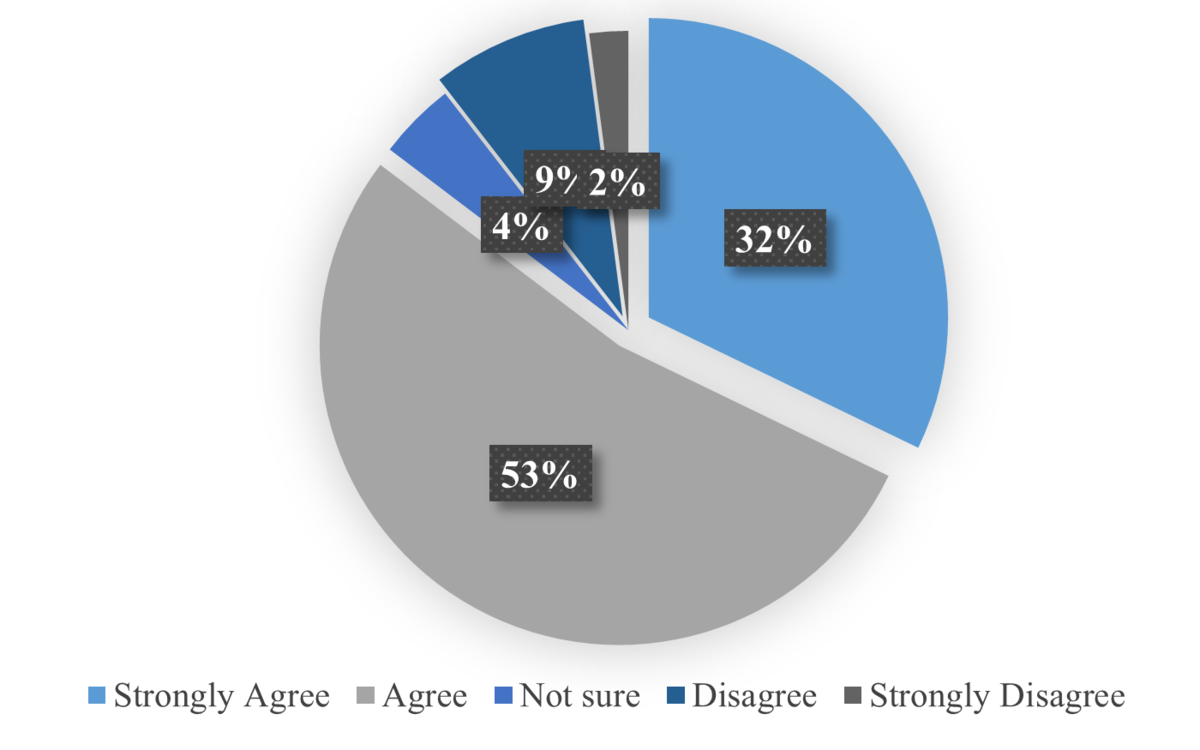
Figure 12. Curriculum Content (Source: Field Data, 2018)
The proportion of participants who assent (strongly agree and agree) is greater than respondents who disagree and strongly. This infers that the ability of the curriculum content of TVET to meet industrial practical know-how is a tremendous requisite for employment in TVET industries. This will solve the challenge noted by Onyesom and Ashibogwu (2013) concerning the wide gap between the intended curriculum (theory) and the achieved curriculum (practice). An improved curriculum content towards a more industrial practice would encourage learning by practicing and coaching (African Union, 2007; Baffour-Awuah and Thompson, 2011) to gain the requisite know-how and competence. 86% of the respondents ascribed learning by practising and coaching to improve their skills development.
3.5.6 | Consistent Monitoring and Evaluation
Benefits drawn from monitoring and evaluation as opined by
Alkin (2004) and
Miller (2017) cannot be over-emphasized for effective TVET quality. Based on this, the majority of 57% of the respondents (20% strongly agree, 37% agree) opined for consistent monitoring and evaluation of the teaching and learning approaches to ensure TVET quality. This affirms
IIEP et al. (2010), and
King (2011) assertion that the quality features of TVET must correlate with effective monitoring and evaluation of its supply. Findings from this current study further draw on the need to ensure consistent monitoring and evaluation for TVET to enhance the teaching and learning approaches and ensure they are consistent with the requirements of the current industry standards. Based on this, it gives credibility to the curriculum and degrees awarded by these institutions for students since what they are taught correlates with the standards of the workplace. Also, feedback from industry experts and employers during the monitoring and evaluation process provides the management of TVET institutions with the most appropriate technologies necessary for the students, to ensure their employability after graduation.
4 | IMPLICATION OF FINDINGS
Results from this current study have both social and practical implications for effective enhancements and improvements of TVET. For social implications, the study emphasises the need for NVTIs to establish internal Quality Assurance Units. This will facilitate effective monitoring and evaluation of educational practices, ensuring that teaching methods, materials, and facilities meet established quality standards. To improve the provision of practical skills, the study recommends implementing competency-based training (CBT) programs. This approach focuses on equipping students with the necessary skills and knowledge that align with industry demands, thereby enhancing their employability. The findings highlight the importance of securing efficient funding sources from the Government of Ghana (GOG). Adequate financial resources are crucial for improving infrastructure, acquiring teaching materials, and supporting quality assurance initiatives within NVTIs. For practical implications, the study highlights the need for enhanced quality assurance systems in TVET, which can positively influence public perceptions of vocational training. Focusing on quality assurance and effective teaching methodologies can empower learners by equipping them with the necessary skills for employment. By addressing the identified gaps in quality assurance and improving educational outcomes, National Vocational Training Institutes (NVTIs) may attract more students seeking viable career paths through vocational training, thus increasing enrollment rates.
5 | CONCLUSION AND FUTURE STUDIES
The results of the study provided a conclusion on a factual situation of Quality Assurance of TVET in NVTI in the Ashanti Region of Ghana. The study concludes that the level of quality assurance impact on NVTIs is relatively low. Current Quality assurance standards are not high enough to ensure quality in TVET. The study also establishes that students not gaining the complete but requisite knowledge and skills in their schools, teaching and learning environments are not suitable for quality education and learning outcomes. The current implemented curriculum content limits the delivery of requisite practical know-how and knowledge for societal or industrial needs, confirming that truly TVET programmes are not demand-driven as established in the literature. Furthermore, periodic monitoring and evaluation for teaching and learning exercises are not consistently conducted in NVTIs, which makes it difficult to track implemented policies, coupled with the competencies of instructors. Factors hindering thorough quality assurance achievements have been identified as: inadequate funding of TVET, which affects instructive and skills acquisition progress, unclear governance structure, poor perception of TVET which impedes its delivery, outcomes and employment rate, irregular competency-based training and the failure of TVET graduates to meet employers’ expectations.
In general, the variables specified as measures for ensuring quality TVET provision emerged as critical quality assurance indicators for revitalizing Ghana’s TVET. Exploring more funds generating possibilities for the Skills Development Fund in TVET was laudable. Indicators such as the provision of standard equipment and facilities, engaging sufficient qualified instructors and a clear governance structure were necessary for quality assurance in TVET in NVTIs. In addition, Competency Based Training (CBT) where participants of TVET learn by practicing and being coached is also a crucial measure for capability building and improved curriculum content of TVET to meet the practical know-how of industries. This would undoubtedly supply the requisite skills for employment based on consistent monitoring and evaluation of teaching and learning to enhance quality-driven TVET.
Based on the aforementioned findings, the following recommendations are essential for creating a long-lasting quality assurance (QA) system that would benefit TVET in Ghana.
- COTVET together with the Government of Ghana and contributions from stakeholders should assess and renew policies on the established Skills Development Fund (SDF). This is because although in 2010 the necessary structures were put in place to establish a Skills Development Fund (SDF), the problem of inadequate funding remains.
- The Government of Ghana must put in measures to restructure and regulate COTVET as a coordinating body that falls under the Ministry of Education to enhance its effective operation. This will provide supremacy for COTVET’s coordination to achieve maximum impact. The government should give the needed commitment and legal backing to these reforms, which is crucial for successful TVET in Ghana.
- The study recommends the development of Internal Quality Assurance units in NVTIs in Ghana with clearly duty-driven roles. This unit will be responsible for sustaining quality assurance consistently after accreditation exercises. This is because monitoring and evaluation exercises are irregular and decline shortly after they are carried out. Instead of just protecting the interests of students, parents/guardians, employers, the government, and the general public by making sure that training providers and qualification awarding agencies uphold acceptable standards in the delivery of training and the awarding of qualifications, the Quality Assurance Unit created as part of the COTVET policies should be resurrected to cover a wider perspective. To revitalise TVET via quality assurance in Ghana, the COTVET QA committee and the Internal Quality Assurance Units should both adopt the robust quality assurance indicators established by UNESCO as a benchmark.
- Implementing long-lasting QA processes is advised for COTVET in the field of consistent quality assurance. The quality of training, procedures, teaching materials, and instructors must all be standardised, tracked, and managed. An efficient quality assurance system will guarantee that students are well equipped to meet industry demands. If COTVET could create a robust institutional oversight system to routinely monitor vocational education instruction and learning in Ghana, this would be feasible.
- It is advised, therefore, that the significant role of TVET in Ghana be promoted and that the entire public, including politicians and policymakers, be educated about it. To carry out this dramatic campaign, COTVET may think about working with the Ministries of Information and Education. The mass media may be used to promote this campaign and increase public awareness of the socioeconomic advantages of TVET. Eliminating the impression of disadvantage among TVET students may also be accomplished with the support of an active and strengthened guidance and counselling unit. By taking these steps, the negative reputation of TVET in Ghana will be eliminated more quickly and parents, students, and other stakeholders will be more committed to the cause.
- This study clearly shows that Competency-Based Training (CBT) can also improve the quality of TVET. Government agencies, private and international bodies for TVET should invest massively in routine and periodic Competency-based training programmes for teachers/instructors in Ghana. This effort would keep trainers informed and abreast of practices and methodological changes in the field of TVET.
- It is advised that supervisory authorities work with TVET companies to develop a skill-oriented TVET syllabus to guarantee successful curriculum content implementation and supply the necessary practical know-how. This would guarantee TVET outcomes that are effective and satisfy the demands of the industry and individuals for increased self-employment and productivity.
- Finally, a mandatory industrial attachment program between TVET industries and TVET participants will help close the knowledge gap between theory and practice and prepare TVET institution educators and trainees for the demands and expectations of the industry today. TVET would become demand-driven rather than supply-driven as a result.
ETHICS APPROVAL STATEMENT
The Ethics committee at Akenten Appiah-Menka University of Skills Training and Entrepreneurial Development - AAMUSTED approved the set of questions before data collection started. Respondent was told about the purpose of the study; hence, his consent was obtained before answering the interview questions. Also, the confidentiality and anonymity of respondents were assured.
DATA AVAILABILITY STATEMENT
Data sharing in this article is applicable upon reasonable request from researchers.
CONFLICT OF INTEREST STATEMENT
The authors affirm that there are no conflicts of interest related to the publication of this study. There were no financial or personal relationships that impacted the results or interpretations discussed in this paper. The study's design, data collection, analysis, interpretation, article preparation, and the decision to publish the findings were conducted independently of any sponsors.
DECLARATION OF GENERATIVE AI AND AI-ASSISTED TECHNOLOGIES IN THE WRITING PROCESS
During the preparation of this work, the author(s) used ChatGPT and QuillBOT for editing and refining the write-up. After using this tool/service, the author(s) reviewed and edited the content as needed and take(s) full responsibility for the content of the publication.
ORCID
Sylvia Asheley Gyampoh
-
 https://orcid.org/0009-0004-5417-9293
Solomon Marfo Ayesu
-
https://orcid.org/0000-0002-3640-0298
Timothy Crentsil
-
https://orcid.org/0009-0000-8390-7123
Theresa Morty-Bayuko
-
https://orcid.org/0009-0000-9110-3598
Maud Schall
-
https://orcid.org/0009-0006-8617-6702
REFERENCES
- African Union. (2007). Strategy to revitalize technical and vocational education and training (TVET) in Africa. Meeting of the Bureau of the Conference of Ministers of Education of the African Union (COMEDAF II+), Addis Ababa, Ethiopia. https://au.int/sites/default/files/documents/39018-doc-15._au_2007_tvet_strategy.pdf
- Akhuemonkhan, I., Raimi, L., & Dada, J. (2014). Impact of quality assurance on technical vocational education and training in Nigeria. Afro Asian Journal of Social Sciences, 5(5). 1-25.
- Akoojee, S. (2011). Intermediate skills development in South Africa: Understanding the context, responding to the challenge. In O. Edigheji (Ed.), Constructing a Democratic Developmental State in South Africa: Potentials and Challenges (pp. 261-282). Boulder, USA: Lynne Rienner Publishers. https://doi.org/10.1515/9780796926531-016
- Akyeampong, A. K. (2010). 50 years of educational progress and challenge in Ghana. Research Monograph No. 33. Brighton: Centre for International Education, University of Sussex. https://files.eric.ed.gov/fulltext/ED510903.pdf
- Alkin, M. C. (2004). Comparing evaluation points of view. In M. C. Alkin (Ed.), Evaluation roots: A wider perspective of theorists’ views and influences. New York: Sage Publications.
- Arfo, E. B. (2015). A comparative analysis of technical and vocational education and training policy in selected African countries (Doctoral dissertation) University of KwaZulu-Natal, Edgewood. Available at: https://researchspace.ukzn.ac.za/server/api/core/bitstreams/f172f906-89a6-47ef-8154-efc2ed94995e/content (Accessed on December 15, 2024).
- Aryeetey, E. B. D., Doh, D., & Andoh, P. (2011). From prejudice to prestige: Vocational education and training in Ghana. City & Guilds Centre for Skills Development, and the Council for Technical and Vocational Education and Training, Ghana.Available at: https://www.researchgate.net/publication/293669084_From_Prejudice_to_Prestige_Vocational_Education_and_Training_in_Ghana (Accessed on September 15, 2024).
- Baffour-Awuah, D., & Thompson, J. (2011). A holistic approach to technical and vocational skills development (TVSD) policy and governance reform: The case of Ghana. Working Document for ADEA Triennale.Available at: https://citeseerx.ist.psu.edu/document?repid=rep1&type=pdf&doi=b907210478b29e10d99db2399e85519eb08302a6 (Accessed on October 12, 2024).
- Chisi, Z. M. (2017). Assessing quality assurance in the technical and vocational education and training system in Malawi (Doctoral dissertation). University of Pretoria.
- Commission for Technical and Vocational Education and Training (CTVET) (2021). Ghana TVET Report 2021. CTVET. Available at: https://ctvet.gov.gh/wp-content/uploads/2022/09/GHANA-TVET-REPORT-2021SIGNED.pdf (Accessed on March 23, 2024).
- Creswell, J. W. (2009). Research design: qualitative, quantitative, and mixed methods approaches. Sage, Third Edition, London. Available at: https://www. ucg.ac.me/skladiste/blog_609332/objava_105202/fajlovi/Creswell.pdf#page=101.10 (accessed on May 12, 2019)
- Harvey, L., & Newton, J. (2007). Transforming quality evaluation: Moving on. In D. F. Westerheijden, B. Stensaker & M. J. Rosa (Eds.), Quality assurance in higher education (Vol. 20, pp. 225-245). Netherlands: Springer. https://link.springer.com/content/pdf/10.1007/978-1-4020-6012-0.pdf#page=229 (Accessed on June 10, 2024).
- IIEP, U., King, K. & Palmer, R. (2010). Planning for technical and vocational skills development, UNESCO: United Nations Educational, Scientific and Cultural Organisation. France. Available at: https://coilink.org/20.500.12592/pntp2k (Accessed on December 10, 2024). COI: 20.500.12592/pntp2k.
- International Labour Organization (ILO). (2011). Skills for employment policy brief: Formulating a national policy on skills development. International Labour Office. Geneva. Available at: http://www.ilo.org/wcmsp5/groups/public/---ed_emp/---ifp_skills/documents/publication/wcms_167172.pdf (Accessed on June 10, 2024).
- King, K. (2011). Eight modest proposals for a strengthened focus on technical and vocational education and training (TVET) in the Education for All (EFA) agenda. Available at: https://www.skillsforemployment.org/sites/default/files/2024-01/wcmstest4_062445.pdf (Accessed on December 10, 2024).
- Kontio, J. (2012). Quality assurance at higher education institutes: The role of educational initiatives. Available at: https://www.ineer.org/Events/ICEE2008/full_papers/full_paper336.pdf (Accessed on December 10, 2024).
- Miller, D. (2017). Importance of school monitoring and evaluating systems [Online]. Available at: http://leansystemssociety.org/importance-of-school-monitoring-and-evaluation-systems/ (Accessed on June 10, 2024).
- Mohsin, M., & Kamal, M. A. (2012). Managing quality higher education in Bangladesh: Lessons from the Singaporean and Malaysian strategies and reforms. International Journal of Business and Management, 7(20), 59-70. http://dx.doi.org/10.5539/ijbm.v7n20p59